
How DJ culture began around the world
The history of DJing dates back to the 1940s, when people first started experimenting with playing recorded music continuously using sound equipment.
In the United Kingdom, Jimmy Savile is widely recognized as one of the earliest DJs to use two turntables to keep music flowing seamlessly during parties. In 1943, he began performing this way at student events, something considered revolutionary at the time.
During the 1960s and 1970s, the profession expanded rapidly, especially in the United States. Francis Grasso became one of the pioneers who transformed the industry by introducing “beatmatching,” a technique that allowed DJs to blend songs smoothly without interrupting dancers on the floor.
Later, DJ Kool Herc introduced a new style of repeating instrumental breaks from songs, an innovation that later contributed to the birth of Hip Hop culture and MCing.
The earliest DJs had one major goal: keeping people entertained continuously through uninterrupted music.
DJs also became important bridges between artists and audiences. Before many songs reached radio stations, DJs were often the first people to introduce them to listeners. If a respected DJ supported a song, it could quickly become popular.
How DJs changed modern music
DJs played a major role in the rise of music genres such as Disco, House, Techno and Hip Hop. Through creative mixing and experimentation, they introduced entirely new ways of producing and experiencing music.
Today, many DJs are considered global superstars, performing before massive crowds and influencing the global music industry in powerful ways.
Technology transformed the DJ profession
In the early days, DJs carried heavy bags filled with vinyl records, making the profession physically demanding and expensive. However, digital technology completely changed the industry.
Modern DJs now use software such as Serato, Rekordbox and Traktor to mix and store thousands of songs digitally. Portable controllers have also replaced many of the large traditional systems used in the past.
Social media platforms including TikTok, Instagram, YouTube and SoundCloud have also enabled DJs to reach international audiences instantly.
AI enters the DJ industry
Artificial Intelligence has introduced powerful tools that allow DJs to separate vocals, drums and instruments from songs in real time, making live remixing and mixing even more advanced.
The growth of DJ culture in Rwanda
In Rwanda, DJ culture began gaining popularity years ago, but the profession expanded significantly after the 1994 Genocide against the Tutsi as the entertainment industry slowly rebuilt itself.
Among the pioneers who helped professionalize the industry were DJ Adams and the late DJ Miller, who passed away on April 5, 2020.
DJ Miller is remembered as one of the figures who changed the perception of DJs in Rwanda, helping people see them as artists and entertainers rather than simply music players.
Influential DJs in Rwanda today
Some of the most influential DJs shaping Rwanda’s entertainment scene today include:
- DJ Bisoso
- DJ Marnaud
- DJ Toxxyk
- DJ Pius
Women making an impact in DJ culture
Female DJs are also becoming increasingly visible in Rwanda’s music industry. Some notable names include:
- DJ Ira
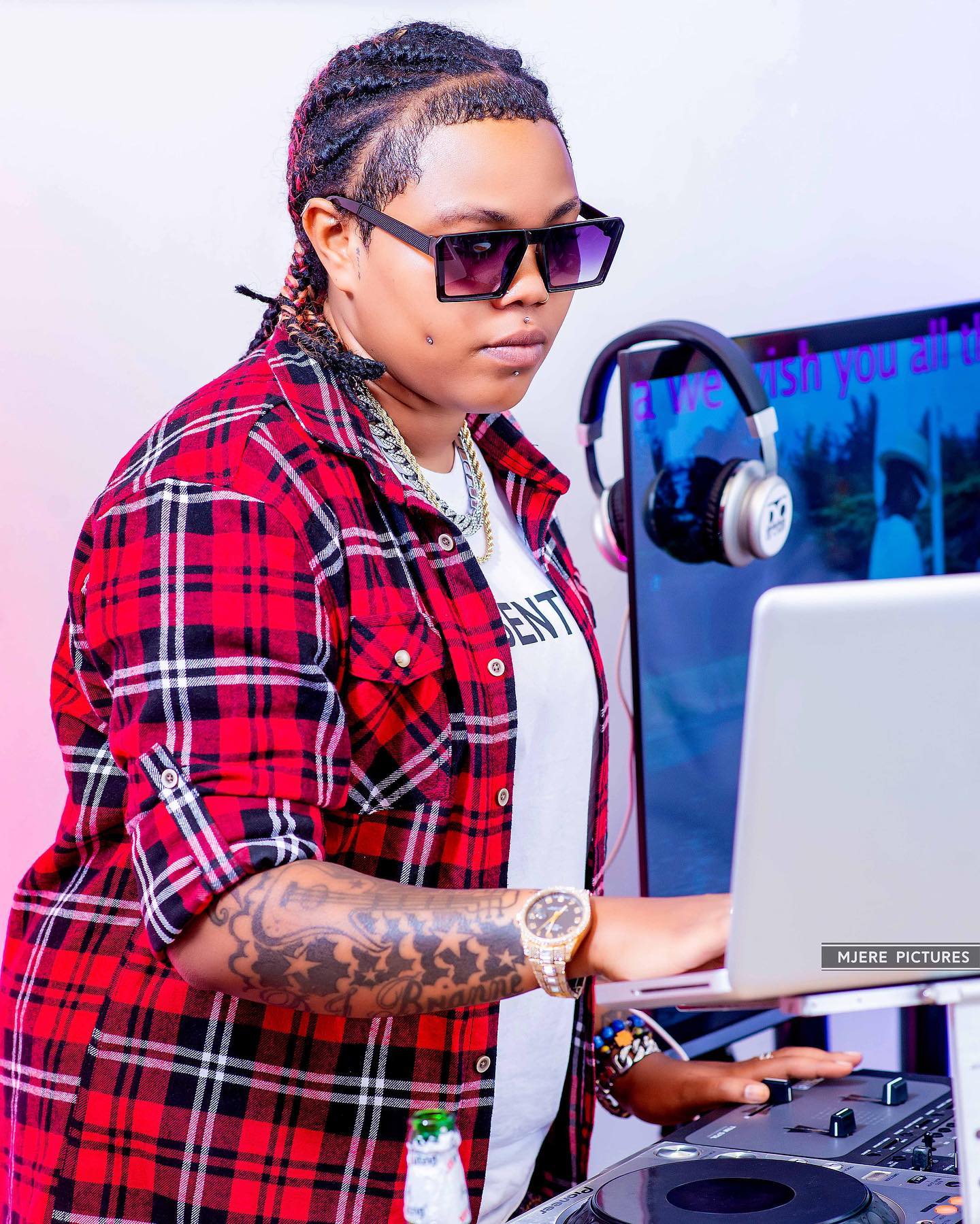
- DJ Briane
- DJ Sonia
- DJ Pendo
- DJ Crush
DJs’ contribution to Rwandan music
Over the last decade, DJs have played a major role in promoting Rwandan music through:
- Playing local music in clubs and events
- Producing remixes
- Promoting emerging artists
- Organizing DJ-focused entertainment events
Institutions such as Scratch Music Academy have also emerged to train young people professionally in the field.
World Wide DJ Awards 2026 to celebrate DJs in Rwanda
To further promote the profession, organizers have launched the World Wide DJ Awards 2026, an initiative designed to unite DJs, encourage networking and reward excellence within the industry.
The event will take place on June 6, 2026, at Executive Suite in Kigali.
Speaking to InyaRwanda, event organizer Sano Brown explained that the goal is to strengthen unity among DJs and create discussions about the future of the profession.
The awards will feature 14 categories:
- Best DJ
- Best Female DJ
- Best Male DJ
- Best Male Upcoming DJ
- Best Female Upcoming DJ
- Best Club DJ
- Best Radio/TV DJ
- Best Iconic DJ
- Best Fashionable DJ
- Best Upcountry DJ South
- Best Upcountry DJ West
- Best Upcountry DJ East
- Best Upcountry DJ North
- Best Gospel DJ
The event will also feature a red carpet experience, live DJ performances, appearances from various artists and networking opportunities focused on the future of DJ culture in Rwanda. You can Vote for your favorite DJ on: festivoz.com