
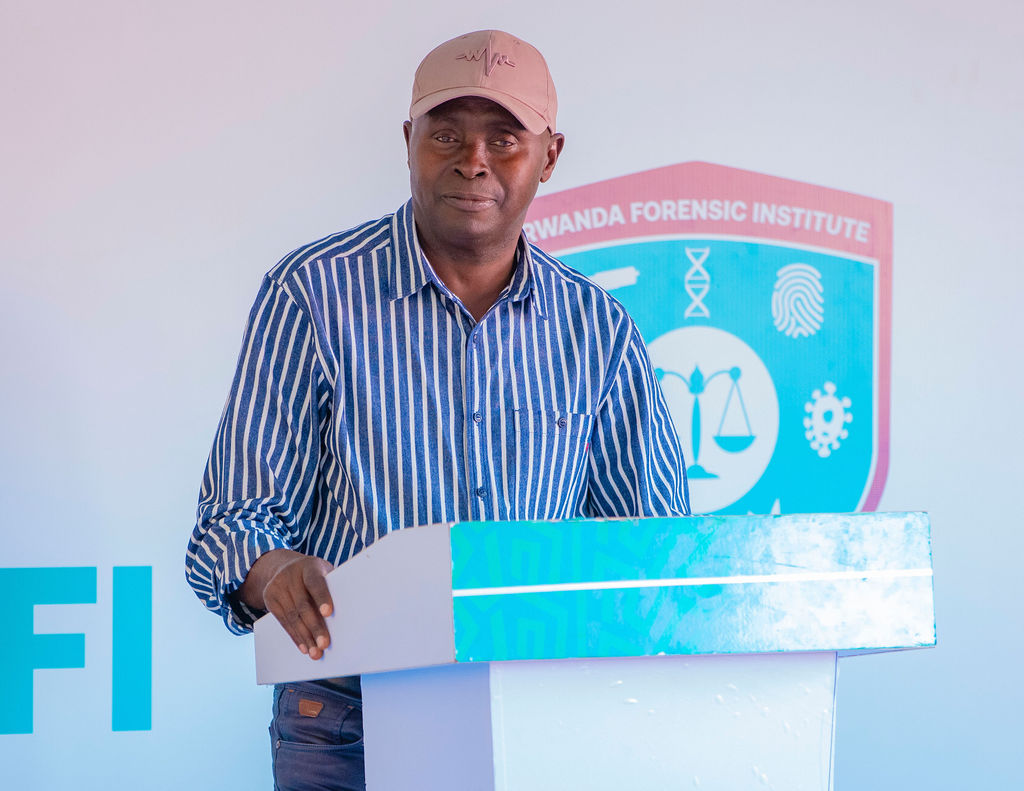
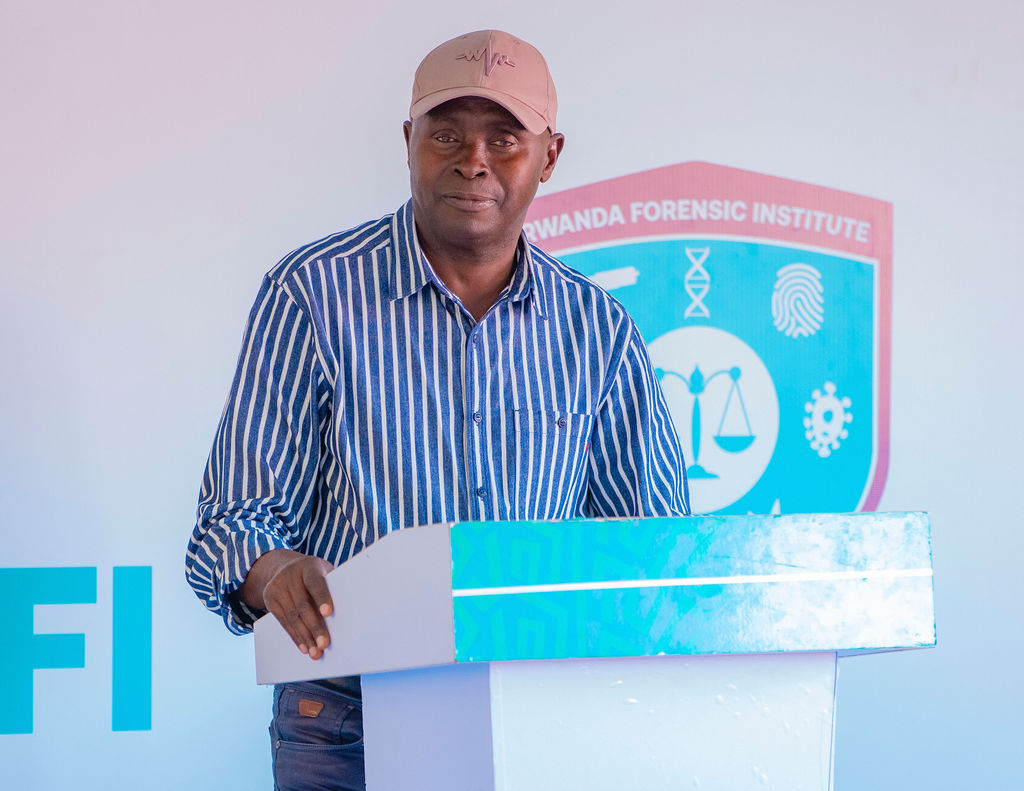
The Director General of the Rwanda Forensic Institute (RFI), Lt Col (Rtd) Dr. Charles Karangwa, announced that the institution is in advanced preparations to start prenatal DNA testing using modern technology known as Next Generation Sequencing (NGS).
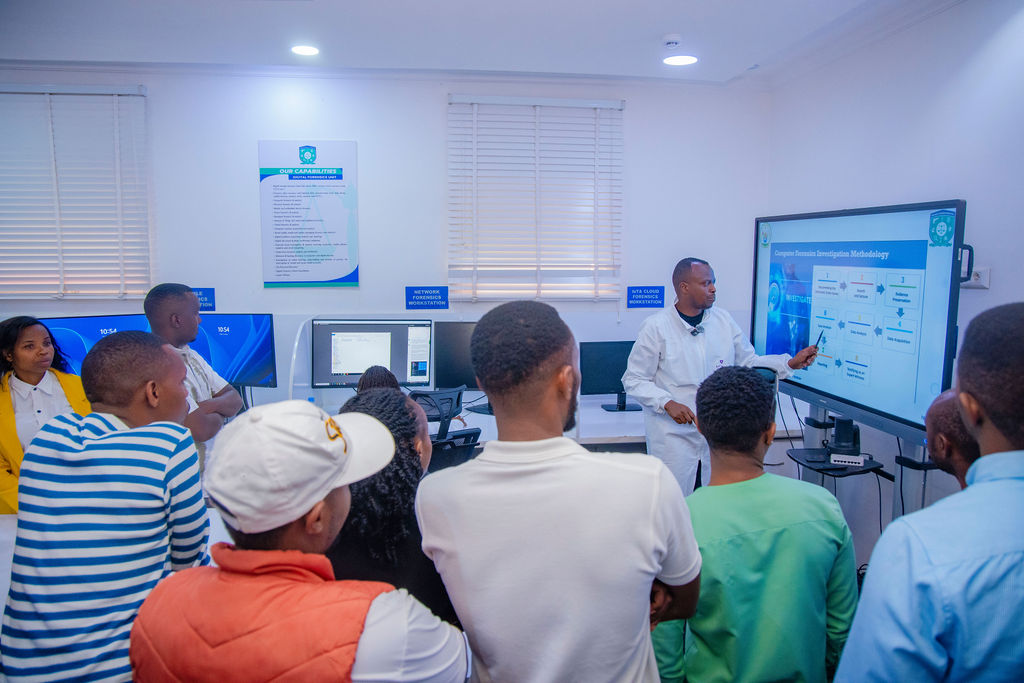
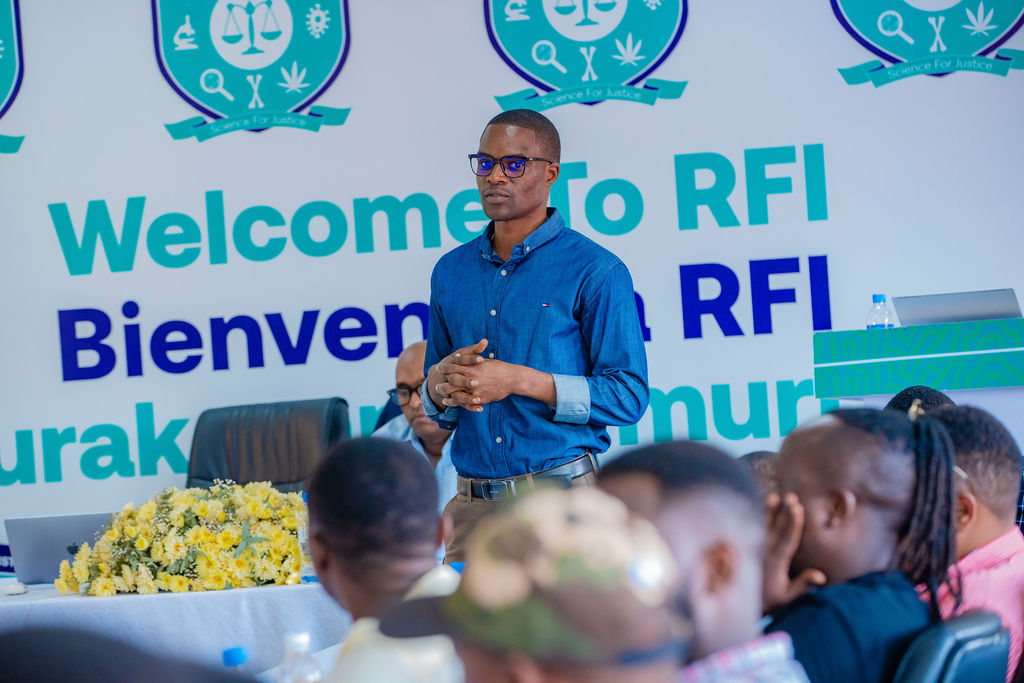
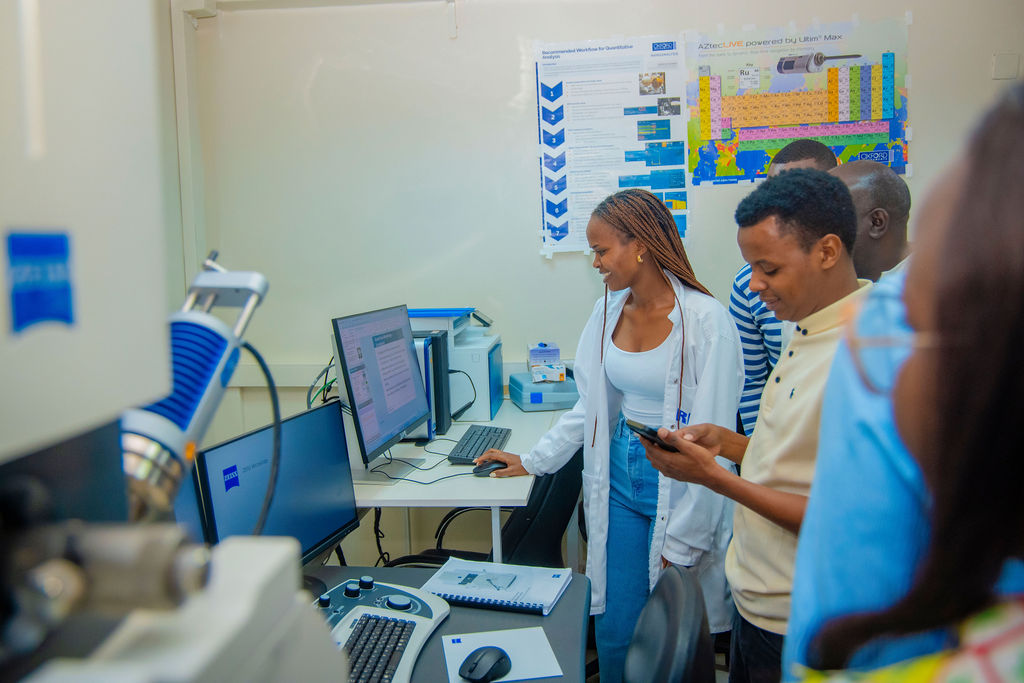
He made the announcement during the official closing ceremony of a week-long training program for journalists, which took place from January 19 to January 23, 2026, at the Rwanda Forensic Institute headquarters in Kacyiru.
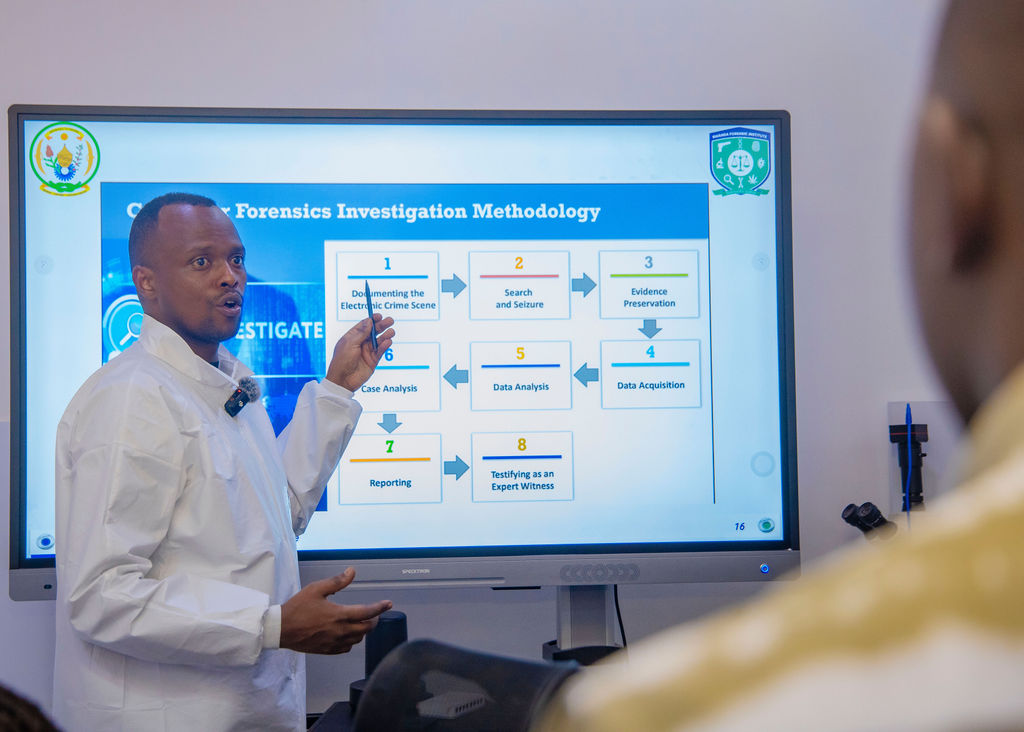
Dr. Karangwa explained that the training was intended to equip journalists with better knowledge and skills in gathering, analyzing and reporting information related to forensic science and its role in the justice system.
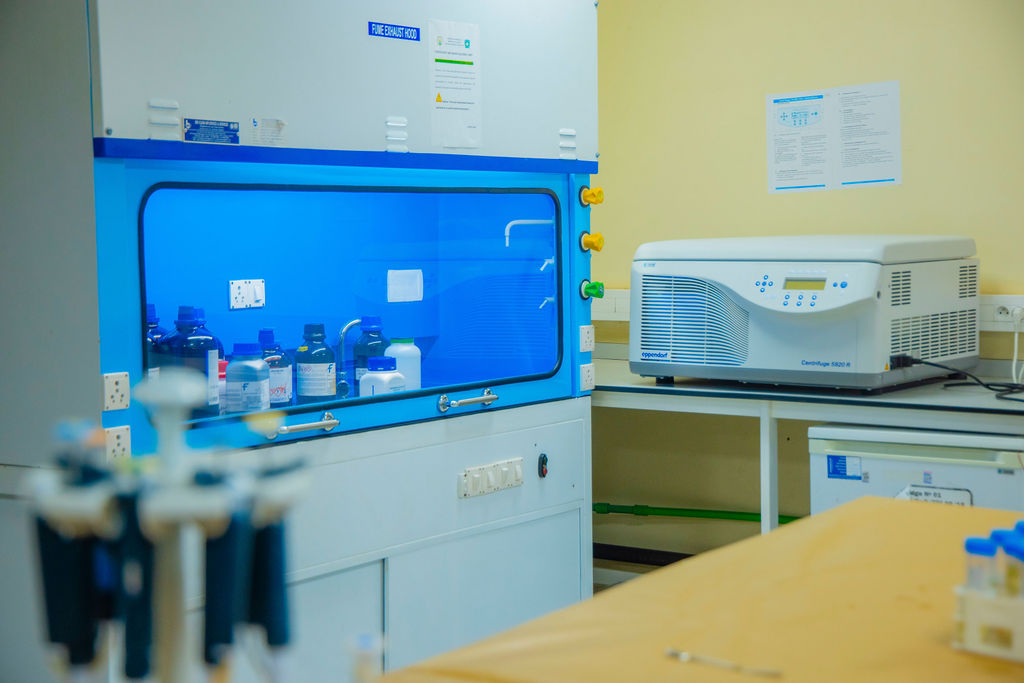
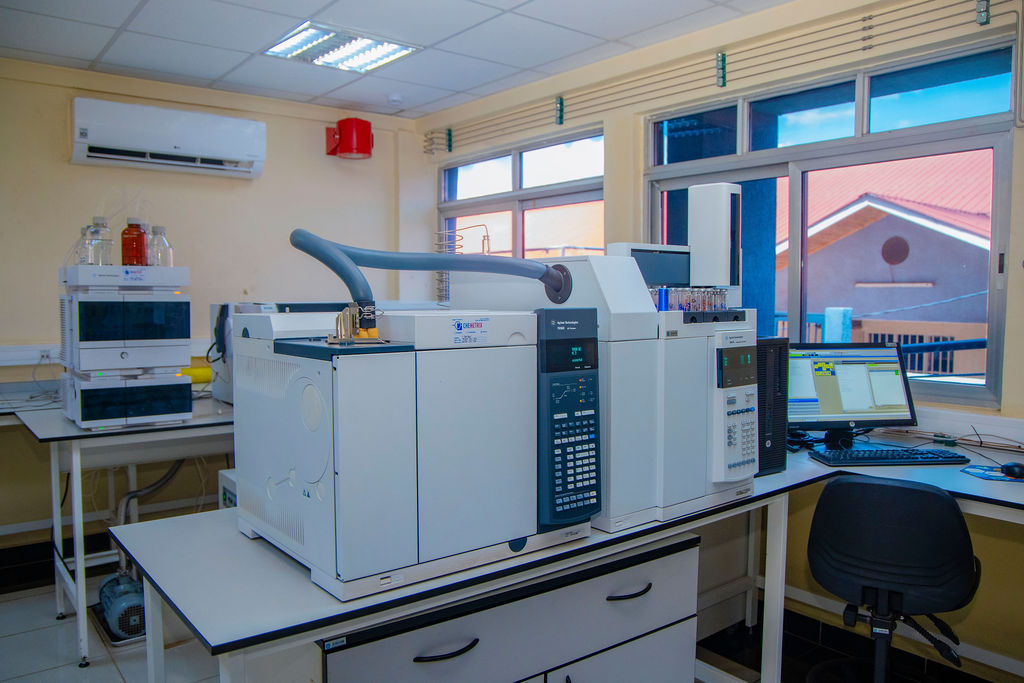
While thanking the Government of Rwanda for its significant investment in modern forensic equipment, Dr. Karangwa said the institute continues to expand its services and capacity. Among the new services to be introduced is prenatal DNA testing, which will allow the analysis of genetic material from an unborn child using the NGS technology.
He stated: “During last year’s awareness campaign, we already mentioned this project. I am pleased to inform you that the technology has now arrived and the training has been completed. We are currently conducting preliminary tests to validate the method and ensure that the procedures we will use are reliable.”
On the issue of cost, Dr. Karangwa noted that the prices for prenatal DNA testing have not yet been determined, as the institute is still carrying out internal assessments to establish all the requirements involved in the process before setting official fees.
He said: “We have not yet set the prices because they depend on all the inputs involved. We are still doing preliminary work to identify what is required before determining the cost. As you know, Rwandan citizens benefit from government subsidies.”
He further explained that pricing will take into account several factors, including staff time, water and electricity consumption, salaries, laboratory reagents, equipment maintenance, and the need to replace machines once they become obsolete.
Beyond the introduction of this new service, Dr. Karangwa emphasized that the Rwanda Forensic Institute has already played a major role in strengthening justice delivery and reducing crime, as people are increasingly aware that scientific evidence will always reveal the truth.
The Rwanda Forensic Institute provides a wide range of scientific services to support the justice sector, including:
-DNA analysis to establish identity and confirm biological relationships,
-Determination of the cause of death (forensic pathology),
-Analysis of weapons and tools used in crimes (forensic ballistics),
-Examination of chemicals and drugs (forensic chemistry and toxicology),
-Examination of documents and signatures (forensic document examination),
-Analysis of digital evidence from phones and computers (digital forensics),
-Analysis of fire and explosive evidence (fire and explosives analysis),
-Training and advisory services on the use of forensic evidence in legal proceedings.
All these services aim to ensure that justice in Rwanda is increasingly based on reliable, scientific and objective evidence.
Lt Col (Rtd) Dr. Charles Karangwa announced that the Rwanda Forensic Institute (RFI) will soon commence DNA testing on unborn children