

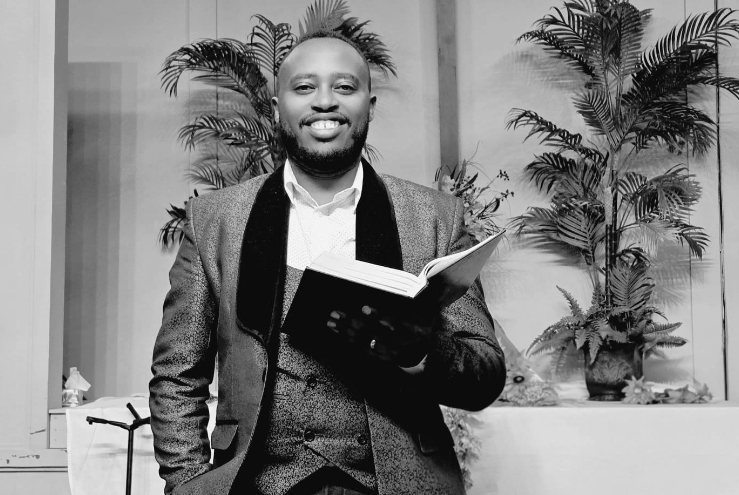
In an interview with inyaRwanda, Pastor Rwagasore explained that the book did not emerge merely from academic research or university study. Instead, it was born out of direct encounters with the lived realities of people who have spent years without a country, without security, and without a voice to speak for them.
In March 2025, Pastor Emmanuel visited a refugee camp inhabited by Congolese Tutsis. What deeply moved him was seeing graves of those who had been killed covered with pavement, with development projects built over burial sites. The remains of loved ones lay beneath newly constructed infrastructure.
He found himself asking: When exile becomes permanent, are we accepting that history can be buried? Are we allowing injustice to become the norm? From these haunting questions, the idea for the book was born. He recognized the danger of normalizing displacement—of treating exile as a final solution rather than as the consequence of unresolved injustice.
Refugees Are Not Statistics
In his first book titled "Theology From Below", Pastor Rwagasore emphasizes that refugees are not statistics in reports, not files on decision-makers’ desks, and not mere “cases” in international documentation. They are human beings with history, dignity, and voices.
He argues that theology—the study and understanding of God—must not begin only in lecture halls or academic debates. It must begin where people actually live: in their suffering, their memories, and their testimonies. That is why he calls it Theology From Below—a theology that starts “from below,” from the lived experiences of those without power or representation.
It is a theology shaped by: The testimony of a parent who lost their land, The story of a child born without ever knowing their homeland, The memory of those buried without justice.
As he puts it: “Refugees are not numbers, not files, not cases. They are people with history, dignity, and a voice. Theology must speak from where they are—from below—out of their lived experience.”
Now available on Amazon, the book delivers a clear and challenging message: humanitarian aid, though necessary, is not the same as justice. Providing food, shelter, and education is essential—but if the root causes of injustice remain unaddressed, the crisis continues.
Pastor Rwagasore warns that when exile becomes permanent—when camps turn into villages and children are born into displacement—the world risks a moral failure. It signals acceptance that some people are destined to live without a homeland.
Yet the book is not without hope. Where there is a voice, there is the beginning of justice. Where there is remembrance, there is a path to healing. Where the stories of the marginalized are heard, history can be transformed.
In Theology From Below, Pastor Emmanuel calls: Humanitarian organizations to look beyond statistics and listen to real voices; Churches to preach not only comfort, but also justice; Politicians to address root causes rather than merely managing consequences.
He stresses that remembrance is itself an act of justice. Remembering history, naming those who suffered, and acknowledging truth are essential steps toward healing communities and nations.
The book insists that exile must never be accepted as a permanent solution. Refugees have dignity and voice, and justice must begin with their testimony. It presents a vision of a God who does not speak only from positions of power, but also through the suffering of the voiceless.
Regarding what he hopes readers will take away, Pastor Rwagasore states: “Aid is not enough without justice. Remembrance is essential. And we must never accept that some people are meant to live in exile forever.”
He describes the book as an invitation not merely to gain knowledge, but to be transformed—to see refugees not as numbers, but as people of worth. It is a call to remember, to speak, and to pursue justice so that history is not buried, but acknowledged for the sake of healing and a better future.
Beyond writing, Pastor Emmanuel Rwagasore is also a worship leader who ministers alongside his wife, Salem Rwagasore, under the name Salem Melodies. On October 18, 2020, they began releasing music together as a husband-and-wife ministry team.
They have released several songs, including “Nimuze,” “Mube maso,” “Isengesho/Ndashaka,” “Mana humura,” “Imigambi yawe,” “Inkuru nziza,” and “Nyibutsa,” among others. Together, they are committed to serving God through music as both family and ministry partners.

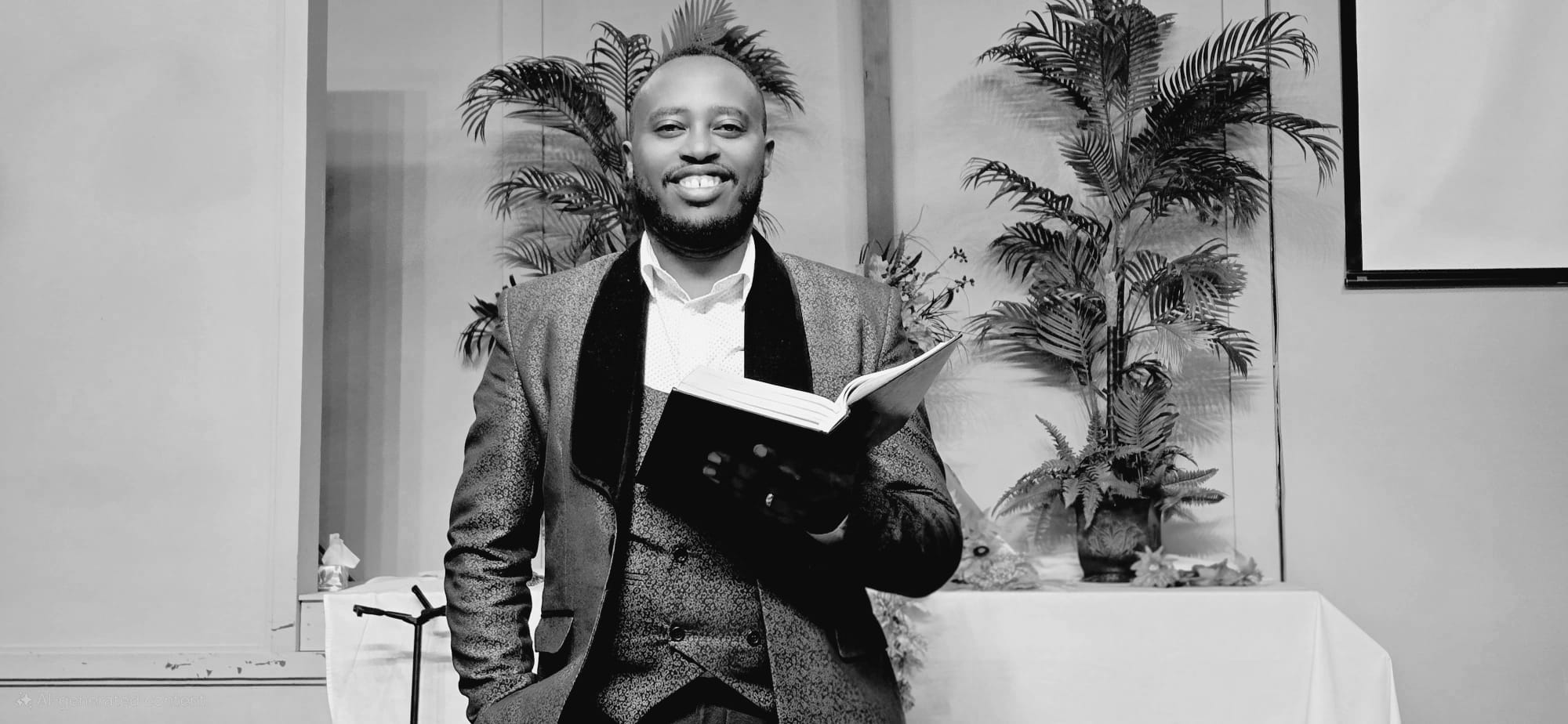
Pastor Emmanuel Rwagasore’s Book “Theology From Below” Highlights the Worth of Refugees
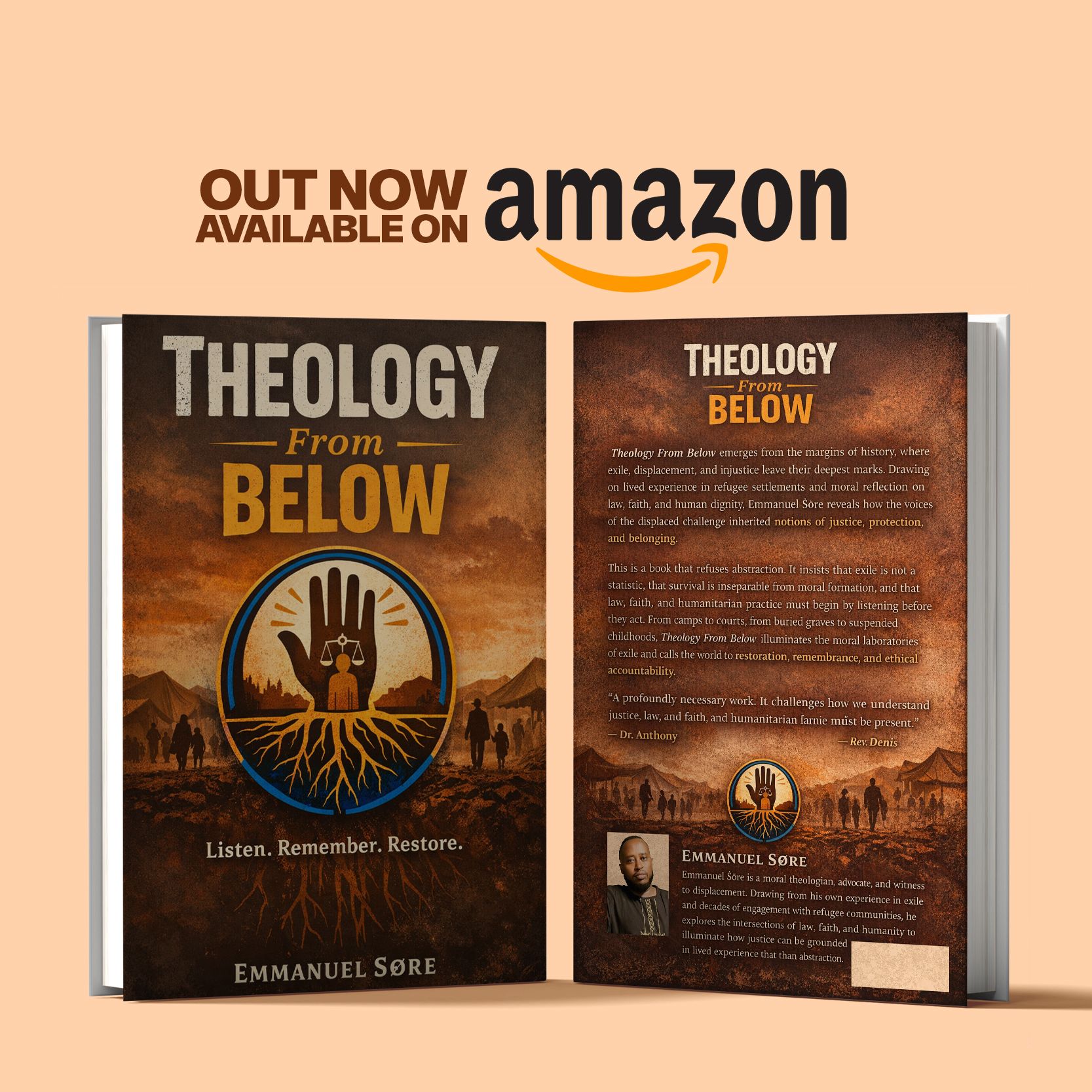
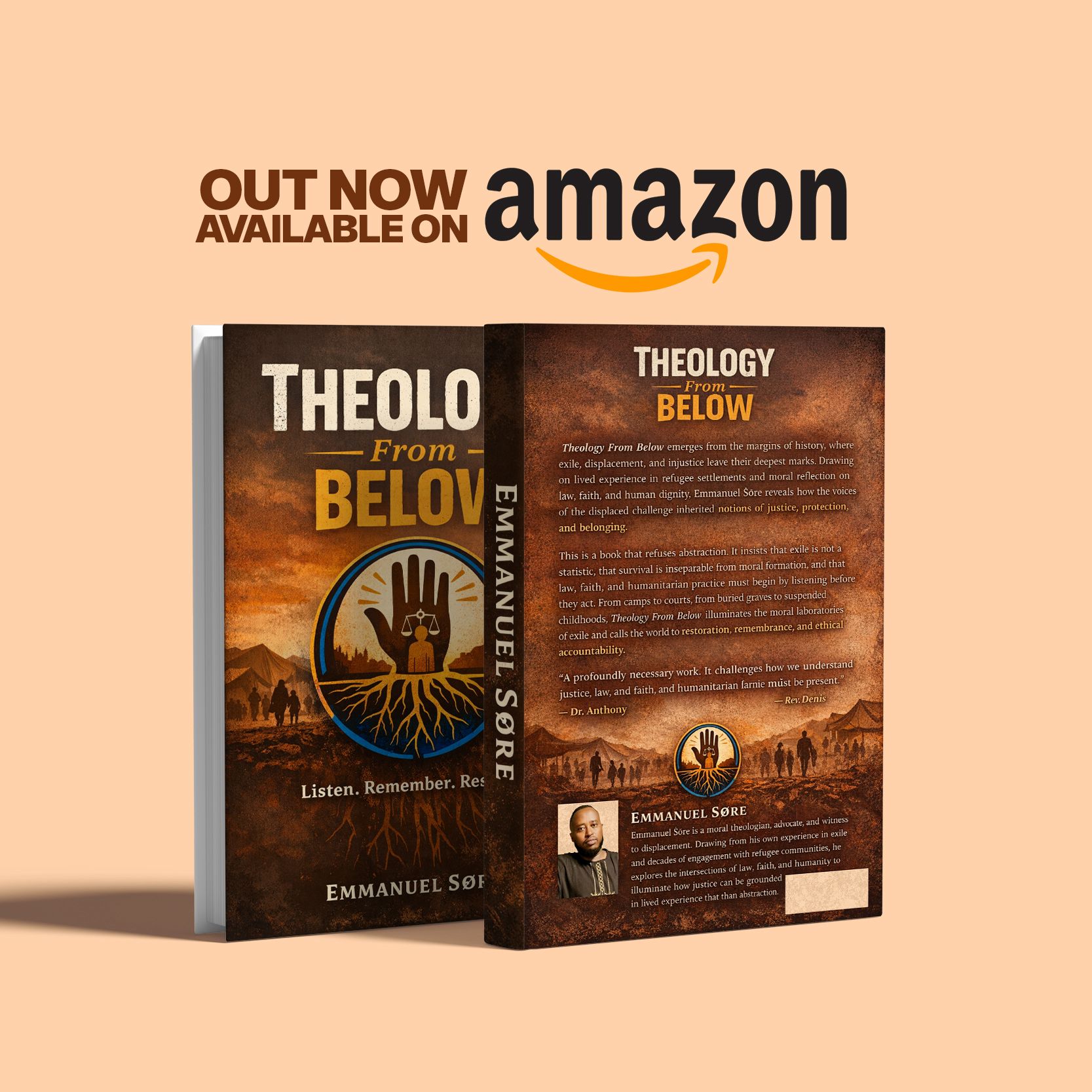
Pastor Rwagasore has authored a powerful new book titled "Theology From Below"

Pastor Emmanuel Rwagasore with his wife Salem Rwagasore
WATCH "UNCHANGEABLE" BY SALEM MELODIES
WATCH "UPON THE CROSS" BY SALEM MELODIES