
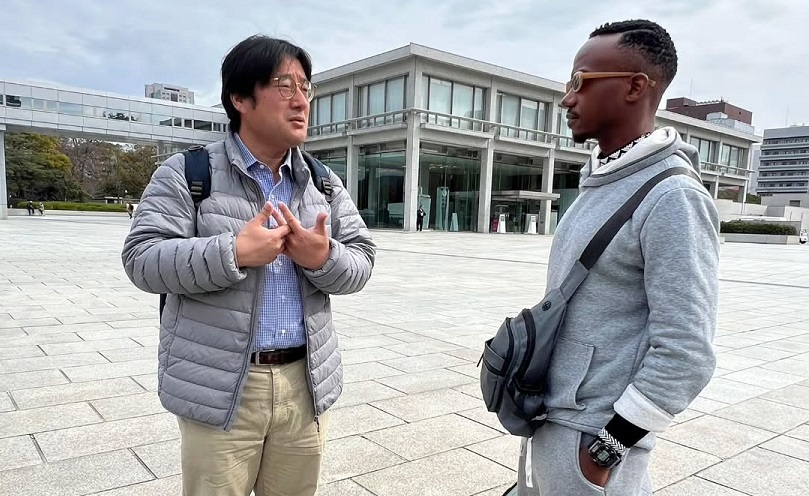
In a statement posted on his social media accounts on Monday night, March 2, 2026, Mani Martin reflected deeply on what the visit meant to him, describing it as a powerful and transformative journey.
He said he felt honored to tour the Hiroshima Peace Memorial Museum alongside Professor Yoshi, a respected lecturer specializing in peacebuilding and conflict resolution at Hiroshima City University.
For the artist, this was far more than a sightseeing trip — it was an educational and reflective experience that broadened his understanding of world history and reinforced the importance of building lasting peace.
“It is an unforgettable experience that showed me the power each individual holds in building peace in the world,” he wrote.
The museum preserves the memory of the atomic bombing of Hiroshima in 1945. Visiting the site reminded Mani Martin that peace is not built by governments alone; every individual has a role to play in protecting and promoting it.
He emphasized that his art — particularly his music and storytelling — is his personal contribution to fostering a world free from hatred and war.
After visiting the museum, Mani Martin was warmly welcomed at Hiroshima City University (Chugoku campus), where he met members of the Japan Association for African Studies. During the event, he shared his music and stories highlighting Rwanda’s culture and history, as well as broader African heritage.
He expressed joy at seeing Japanese students eager to learn about Africa, noting that culture has the power to connect nations and continents.
“If you cannot know everything about one thing, at least try to know something about everything,” he said, encouraging curiosity and openness toward other cultures and histories.
He stressed that understanding the histories of other nations expands one’s perspective and helps build a more peaceful and interconnected world.
Mani Martin concluded his message by explaining that he had completed a day of activities as part of his tour titled “Rebirth.” The name carries deep meaning, particularly in Hiroshima — a city that rebuilt itself after unimaginable destruction.
The concept of rebirth symbolizes resilience, renewal, and the choice to pursue peace even after experiencing profound tragedy.
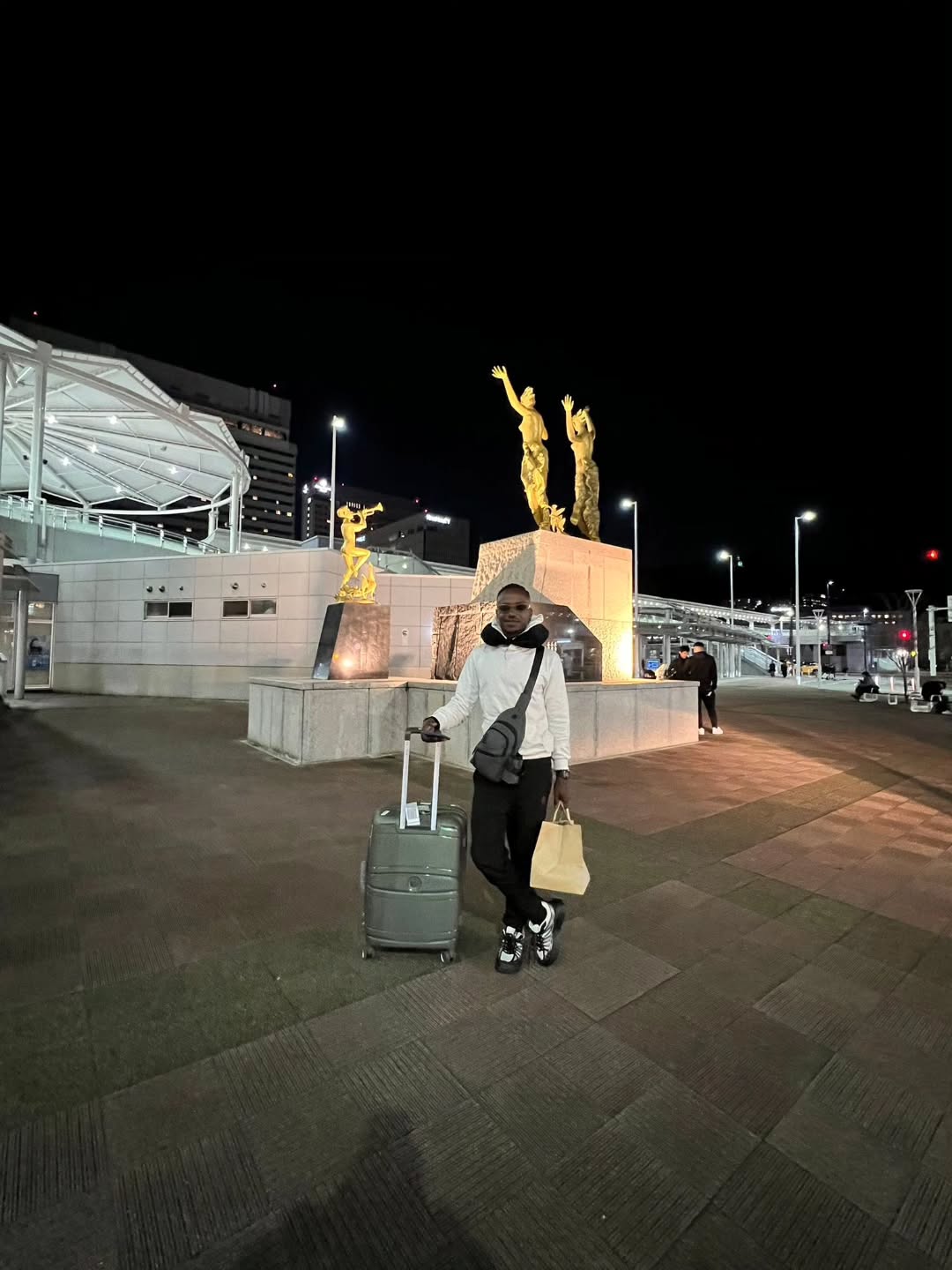
The artist has been in Japan since Saturday, March 1, 2026, for performances, discussions, and cultural exchanges aimed at spreading messages of peace through music and art. This marks his second visit to Japan, following a previous trip in May 2019.
Through this tour, Mani Martin continues to champion purposeful art, using music as a bridge connecting people, history, and global peace efforts.
Background: The Atomic Bombing of Hiroshima (1945)
On August 6, 1945, near the end of World War II, the United States dropped the first atomic bomb ever used in warfare on Hiroshima, Japan. The bomb, named Little Boy, was released from an American B-29 bomber called Enola Gay.
The explosion occurred approximately 600 meters above the city, instantly destroying large portions of Hiroshima. Tens of thousands of people were killed immediately, while many others died in the following days, weeks, and years due to injuries and radiation exposure.
By the end of 1945, it is estimated that more than 140,000 people had died as a result of the bombing. Survivors, known as Hibakusha, suffered long-term health complications, including cancer and radiation-related illnesses.
Three days later, on August 9, 1945, a second atomic bomb was dropped on Nagasaki. Shortly afterward, Japan surrendered, bringing World War II to an end.
The bombing of Hiroshima became a defining moment in world history, highlighting the devastating consequences of nuclear weapons. Since then, global efforts have focused on nuclear disarmament and preventing such tragedies from ever happening again.
Today, Hiroshima stands as an international symbol of peace. Memorial parks and museums preserve the memory of the tragedy while promoting a global message: humanity must choose peace over war.
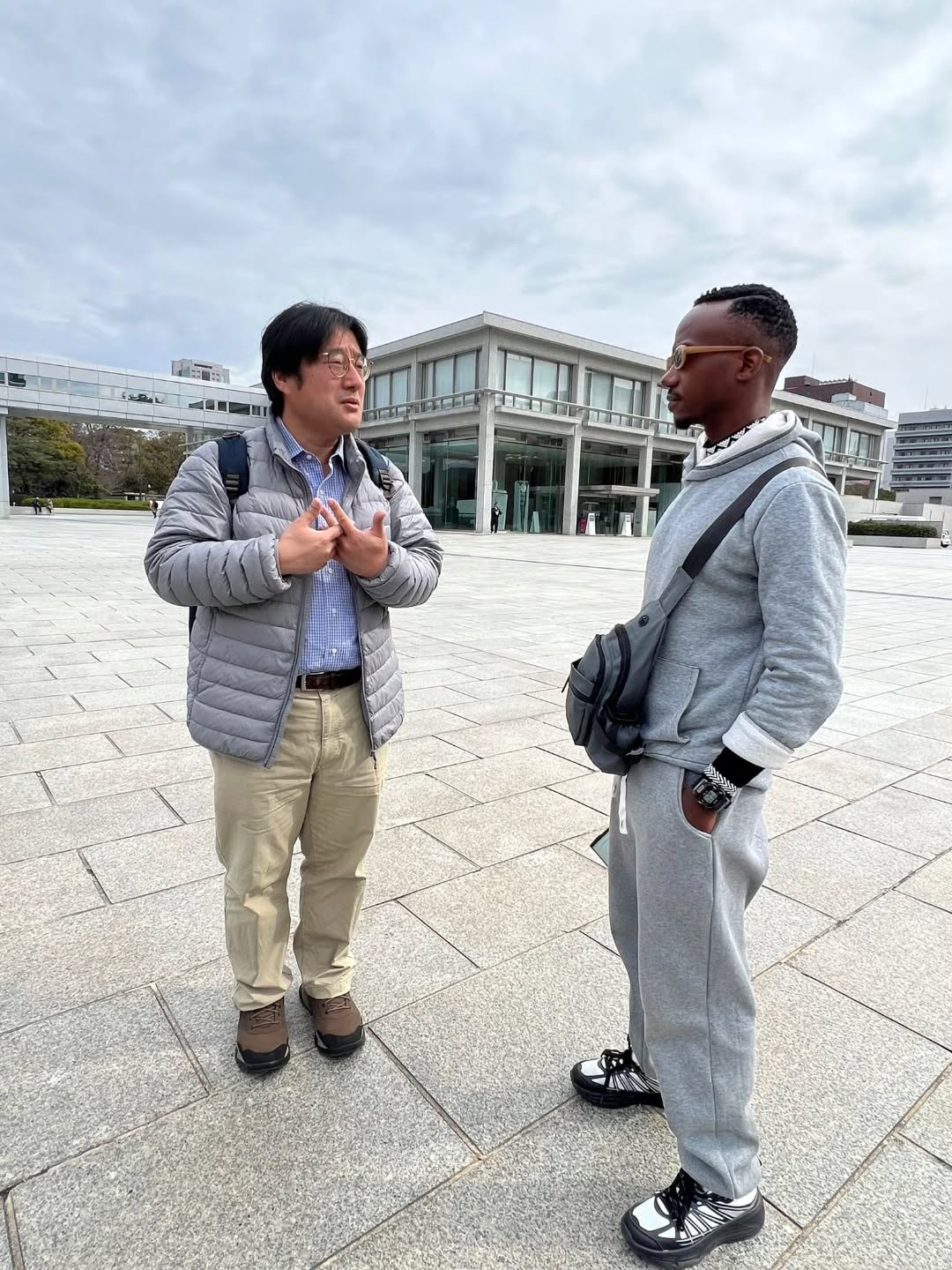
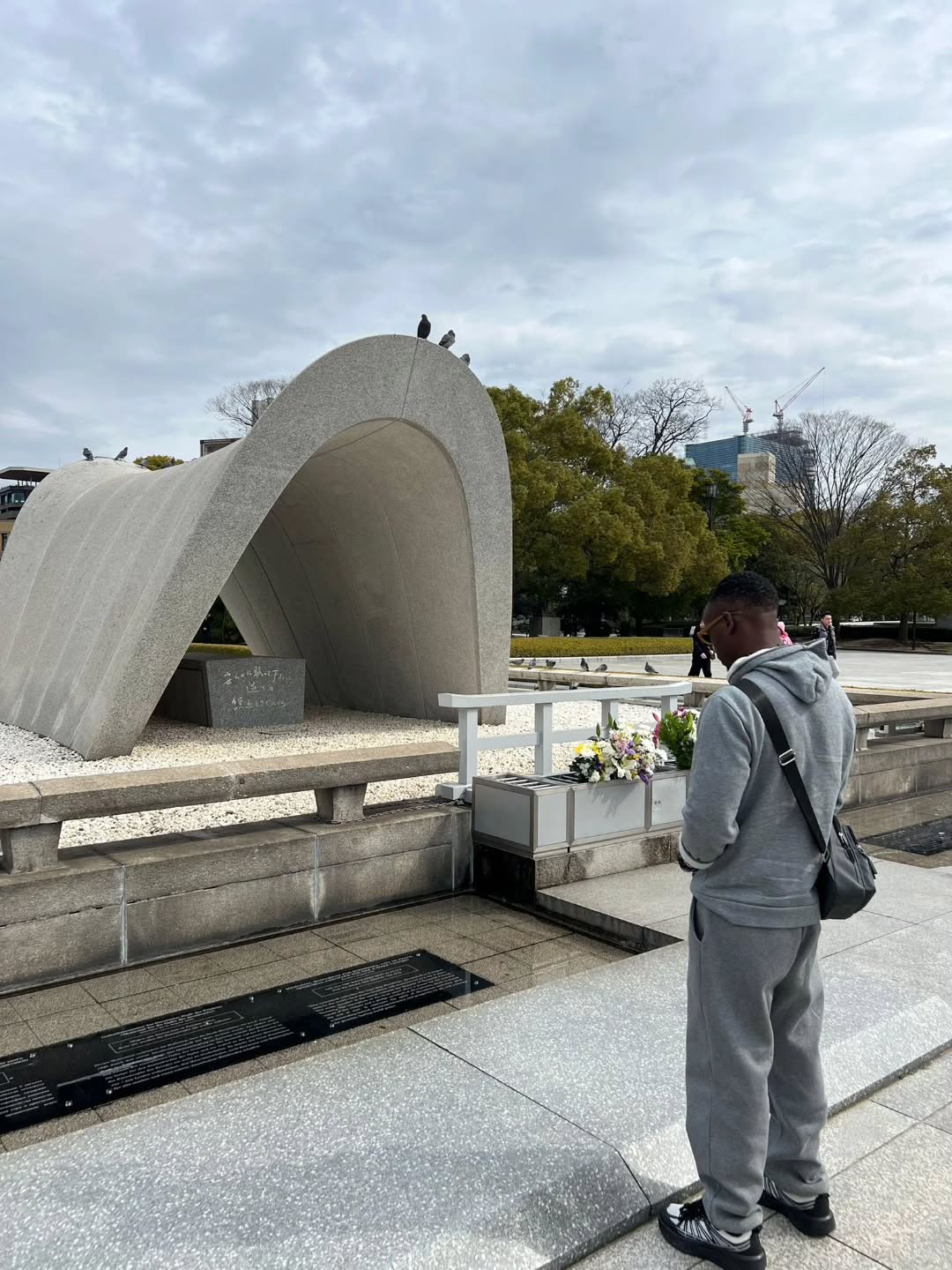
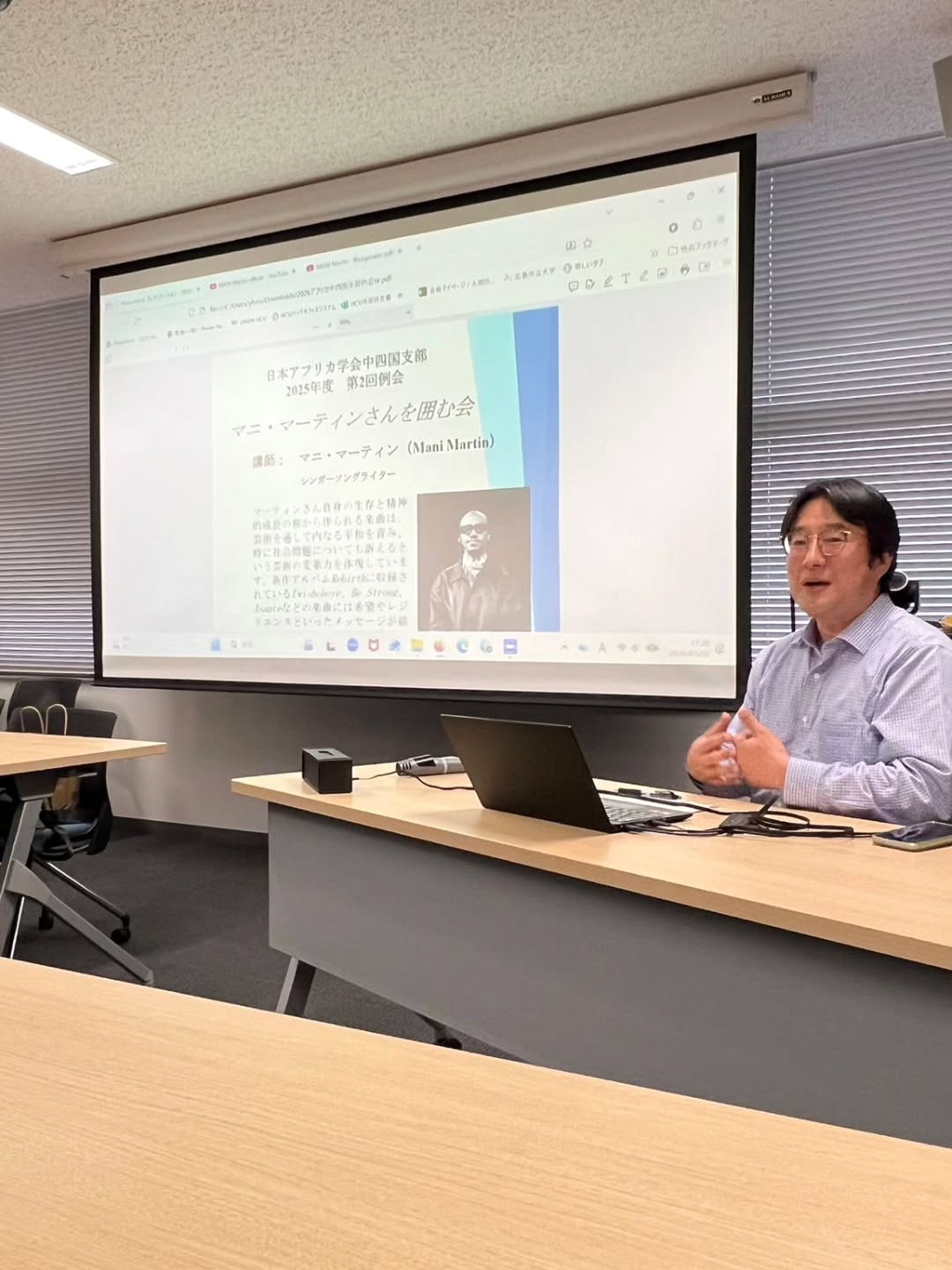

“It is an unforgettable experience that showed me the power each individual holds in building peace in the world" - Mani Martin