
Speaking to the BBC, defectors said they grew up in a country where they were taught that Kim Jong Un was the only person worthy of love and admiration, and that watching South Korean movies or listening to K-pop was considered a crime punishable by imprisonment or even execution.
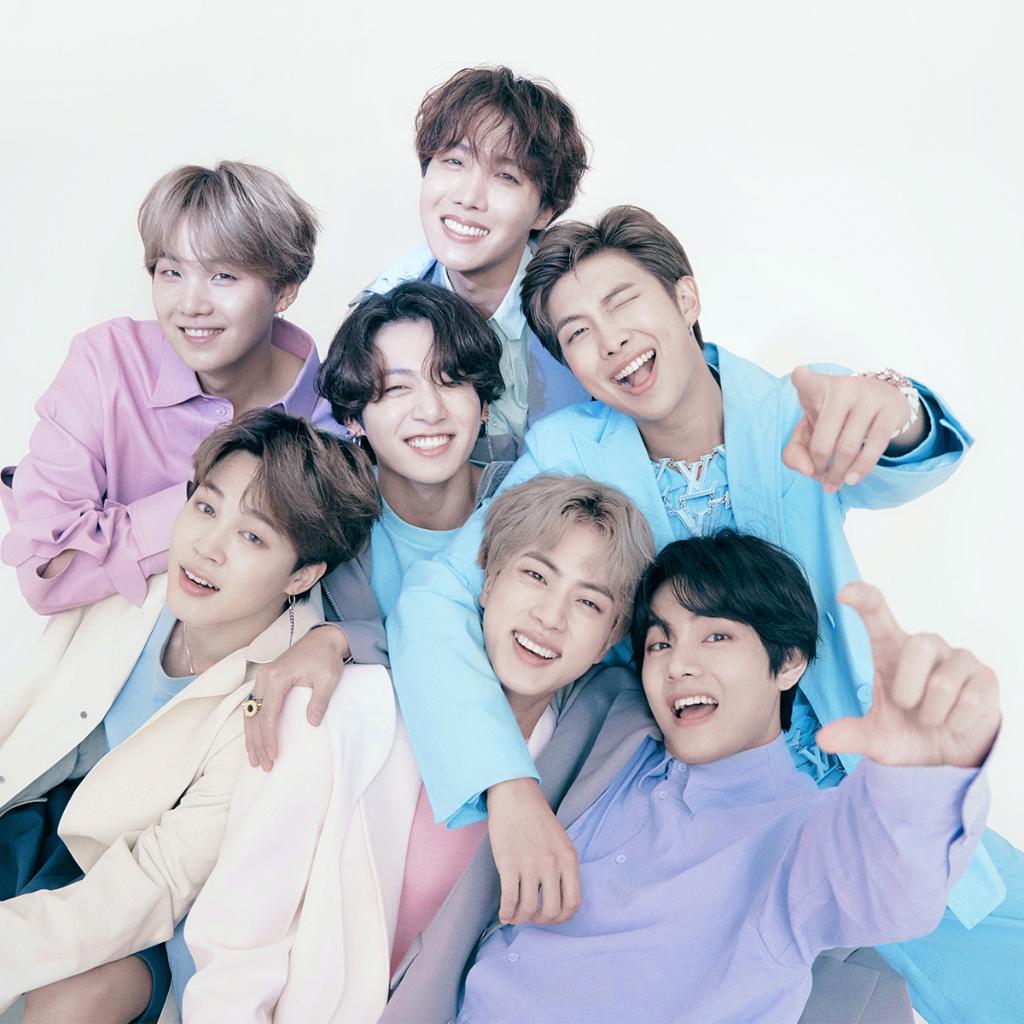
One defector, Yeon-su, said that after arriving in South Korea, she was finally able to attend a BTS concert—an experience she could never have imagined in North Korea.
"For the first time, I understood what it meant to choose someone I admire and support without anyone telling me who to like," she said.
Another defector, Kang Gyu-ri, recalled that BTS's hit song "Dynamite" made its way into North Korea through underground channels. She said many young people began copying the dance moves and fashion of K-pop stars such as BTS, Teen Top, Girls' Generation, and Blackpink.
Defectors explained that K-pop spread secretly through SD cards, MP3 players, and by illegally accessing South Korean television broadcasts. Despite being banned, many people continued listening because the music gave them hope for a better life.
In recent years, the government of Kim Jong Un has intensified its crackdown on anyone caught with South Korean entertainment. Reports have indicated that some young people have been imprisoned or even executed for distributing South Korean films and K-pop music.
For many defectors, K-pop was more than just entertainment. They say it became a window into a different world—one defined by freedom, choice, and hope—and inspired some of them to make the life-changing decision to flee North Korea.