
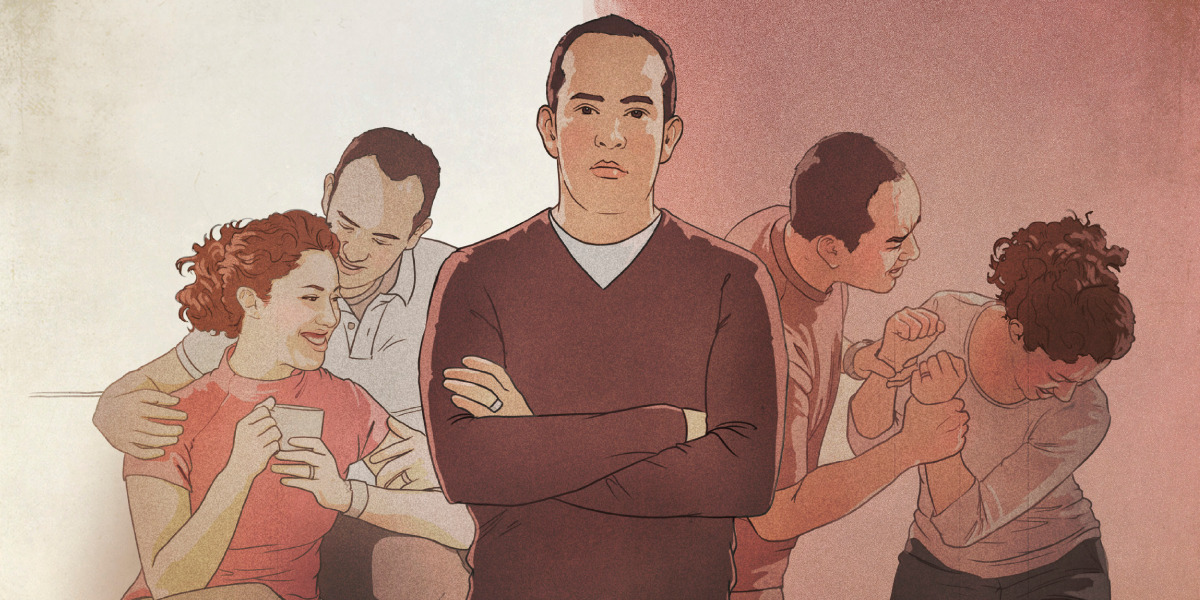
Those we see daily on television, stages, or social media often appear to lead lives filled with happiness, success, and tranquility. However, behind the glamorous facade of fame and stardom, some endure isolating, painful, and abusive realities inflicted by their partners or close relatives.
Many celebrities become victims of emotional, physical, or financial abuse but often fear speaking out. They dread losing their fans' trust, tarnishing their reputation, or being excluded by industry collaborators.
As a result, they choose silence, translating their pain through music, films, or complete withdrawal — actions which deeply impact their mental health and overall well-being.
On April 19, 2019, singer Nirere Shanel made an inspiring effort to raise awareness by releasing her song, "Atura". Speaking to InyaRwanda at the time, she revealed the song spotlights domestic abuse issues faced by women and children. She highlighted the emotional scars caused by verbal insults, humiliation, and countless forms of cruelty experienced in abusive homes.
She shared, “This message focuses on domestic abuse, especially towards women, and doesn’t exclude children raised in abusive households. Physical abuse includes beatings, verbal attacks, humiliation, and other mistreatment that leave long-lasting emotional and mental scars.”
In "Atura," Shanel passionately advocates for women to break their silence and speak up against abuse, aiming to address and uproot the issue at its core. Shanel emphasizes that believing abuse is a "one-time occurrence" is misleading, as it can unpredictably worsen over time.
RIB's Voice: "No One Should Tolerate Abuse"
On Thursday, May 15, 2025, the Rwanda Investigation Bureau (RIB) Spokesperson stressed in a press briefing that abuse victims, be they women or men, should not feel disgraced. Rather, the shame should fall solely on the abuser.
He stated, "If you're being abused, you must not feel silenced or ashamed due to your public profile. Whether you're a renowned artist, athlete, journalist, or an influential figure, it is unacceptable to endure abuse in silence when you're harmed by a spouse or anyone else."
Dr. Murangira B. Thierry further urged victims, including celebrities, to report these incidents without fear. He highlighted how some individuals endure years of silent suffering — ranging from three to five years — amid physical, emotional, financial, or even sexual abuse.
He explained that such abuse often begins indirectly, through verbal hostility, escalating to physical aggression, financial restrictions, or even covert invasions of privacy like monitoring a partner's phone. He stated, “It’s good to be patient with your partner, but patience is meant for someone willing to improve, not someone who turns you into a victim of harm.”
Murangira’s remarks arose during heated discussions on social media following the arrest of Bishop Gafaranga, who faced allegations of gender-based violence (GBV). Concerns also surfaced that abuse victims who come forward might face societal ostracism or harsh criticism.
There were additional reports suggesting a prominent local artist endured abuse but chose to stay silent.
The Fame vs. Silent Pain
While celebrities are often perceived as strong and influential, they face unique struggles when attempting to disclose abuse. Their silence is fueled by challenges such as:
- Fear of losing their public image and rapport with fans.
- Risk of being alienated by collaborators and professional partners.
- Concerns about tarnishing their abuser partner’s reputation.
- Societal stigma surrounding the idea of "showing weakness."
Global Lessons on Celebrity Abuse
Domestic abuse within celebrity circles is a global concern, with high-profile cases shedding light on their silent struggles:
- Rihanna was assaulted by Chris Brown in 2009. Though she initially kept it private, the incident came to light after leaked photographs.
- Tina Turner endured 16 years of domestic violence, fearing that speaking out might derail her successful music career.
- Tiwa Savage from Nigeria delayed sharing her abuse experience due to fears of societal backlash and being labeled as controversial.
- Vanessa Mdee of Tanzania quit music, openly describing herself as a victim of emotional abuse.
- Zari Hassan, a renowned figure, revealed her separation from Diamond Platnumz followed prolonged emotional abuse and disrespect.
Rwanda: Silent Stories Await Liberation
In Rwanda, only a small number of celebrities have dared to break their silence regarding domestic abuse. Although social media and media platforms occasionally highlight conflicts between famous couples, the voices of victims often go unheard.
The culture of avoiding shame ("tainting the family name") or societal norms of "endurance" over personal safety significantly silences many abuse victims, even prominent figures.
However, on August 10, 2022, Teta Sandra, a participant in Miss Rwanda and other beauty pageants, broke cultural barriers by sharing her experience of abuse caused by her husband, celebrated Ugandan musician Weasel.
Why Do Celebrities Stay Silent? Key Expert Insights
Social and psychological experts explain that celebrities face immense societal and internal pressures preventing disclosures of abuse:
- Dr. Nancy Berns, a sociologist, stated, “Celebrities fear losing their dignity, public stature, and career opportunities when revealing they’ve been victims of abuse.”
- Dr. Sherry Hamby, a researcher from the USA, noted, “Renowned figures are seen as resilient and strong, hence they face amplified pressure to conceal weaknesses like abuse.”
- Dr. Brené Brown explained, “Fame places you at greater risk of silencing your pain, as public scrutiny becomes overwhelming.”
- Dr. Funmi Adebayo found that “Female celebrities fear being ridiculed or losing exclusive work offers if they speak out about their abuse experiences.”
- Dr. Edward Gondwe from Malawi concluded, “Fame creates a paradox: a life lit by adulation but shadowed by the darkness of suppressed suffering.”
One Voice Can Spark Change
As celebrities continue to inspire youth and society, they must be equipped with platforms, resources, and emotional guidance to help them boldly report abuse and seek justice.
Encouragingly, many now argue, “Seeking justice is not a mark of weakness—it’s an act of personal empowerment and safeguarding one’s life.” After all, “There’s no value in singing on stage when your heart is shrouded in silent agony.”
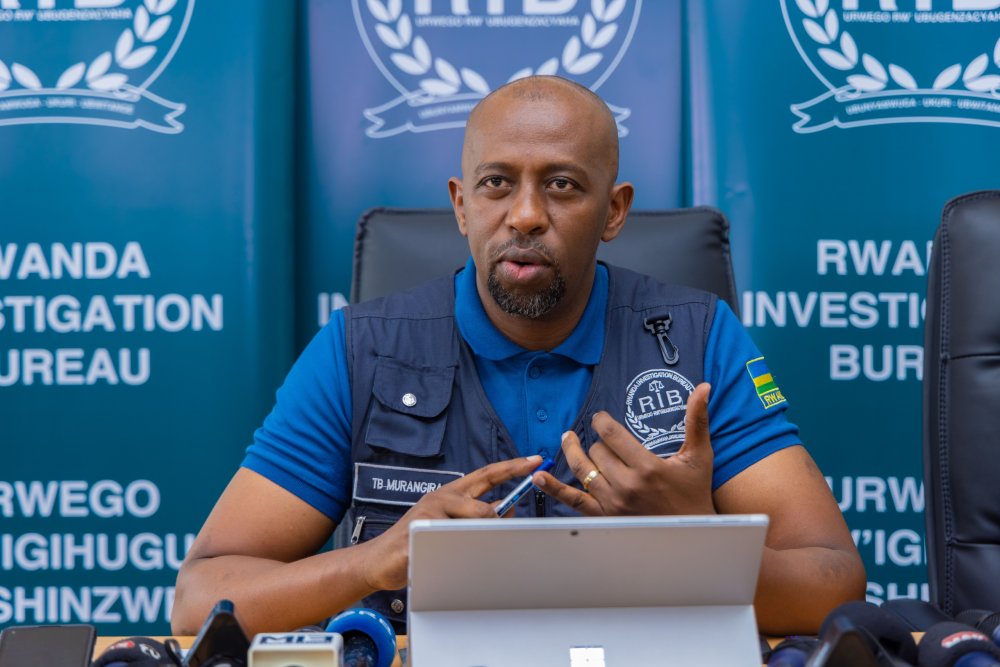
The Rwanda Investigation Bureau’s Spokesperson, Dr. Murangira B. Thierry, strongly condemned the normalized yet harmful expressions like "Niko zubakwa," which perpetuate silence among abuse victims, including celebrities.