
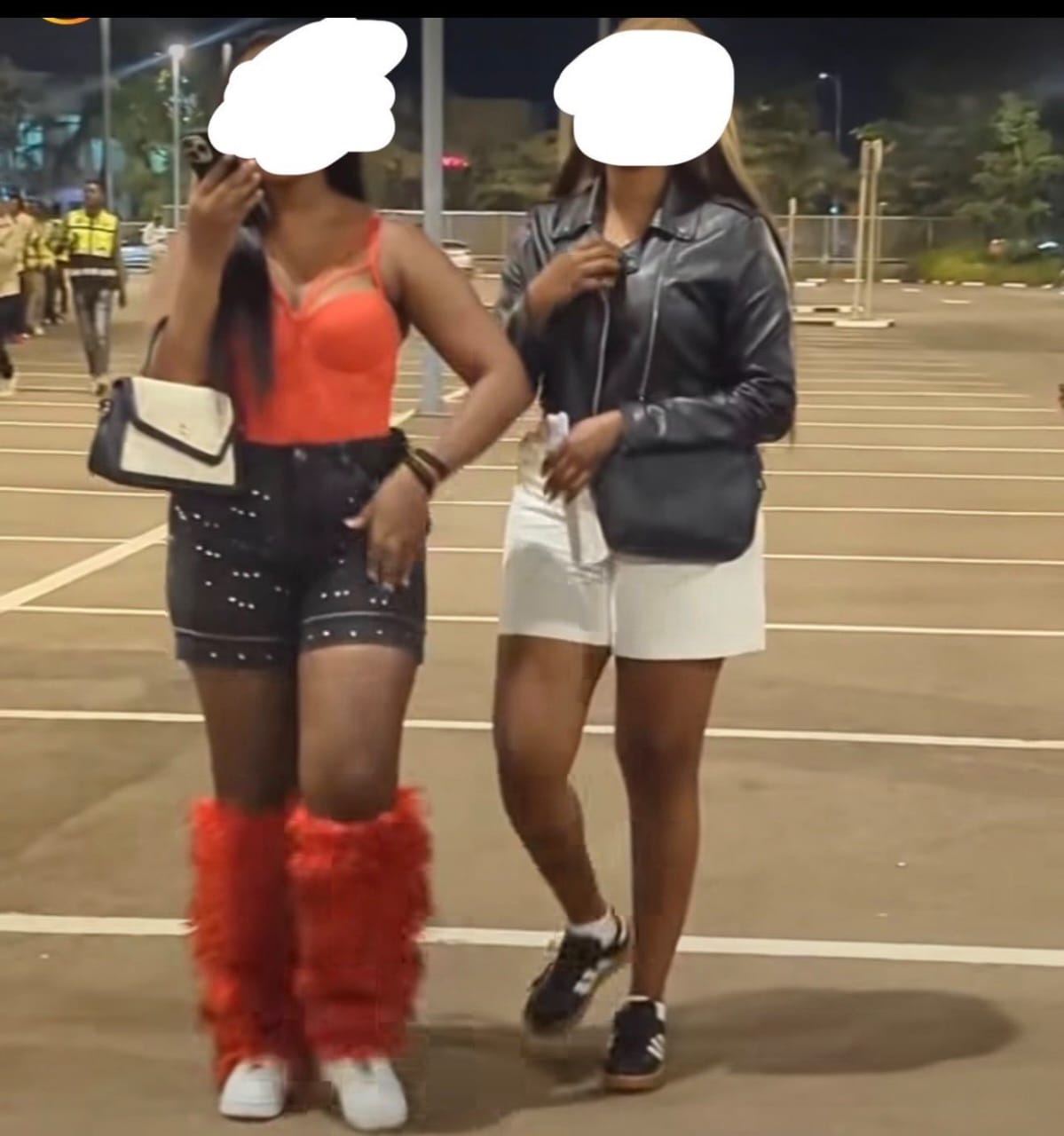
Perhaps, therefore, we should resist the temptation to reduce this conversation to the length of a dress, the size of a skirt, or the appearance of a particular woman at a particular event. The dress is only the visible part of a much deeper conversation. And that conversation deserves our attention.
To our decision makers: culture cannot be preserved through enforcement alone. A society has the right to discuss its values. Every nation has cultural norms that shape how people interact, dress, speak, and conduct themselves in public. But culture is not a police regulation.
Culture lives in people's hearts, homes, schools, communities, stories, and daily choices. It is transmitted from one generation to another because people understand its meaning and choose to carry it forward. If we want young people to embrace our cultural values, we must explain why those values matter.
Rules may regulate behavior temporarily, but understanding creates ownership. Therefore, as we discuss public decency, we should also ask whether our approach is producing understanding or simply compliance.
We should be careful that efforts to preserve culture do not unintentionally create resentment among the very generation that will inherit it.
To the Government: protect both values and dignity. The government has a legitimate responsibility to maintain public order and promote values that contribute to a cohesive society. But that responsibility must always be exercised with proportionality, consistency and respect for human dignity.
If certain behavior is considered inappropriate in public spaces, society deserves clarity about what the standards are, why they exist, and how they are applied. Ambiguity creates room for arbitrary enforcement.
To women: your dignity and your choices matter. This conversation must not become an excuse to place the entire burden of cultural preservation on women's bodies. Women should not be reduced to what they wear.
A woman's dignity is not determined solely by the length of her dress, just as a man's character cannot be measured simply by the clothes he wears.
At the same time, freedom comes with the opportunity for reflection. Every society communicates certain expectations about public behavior. Choosing what to wear is an individual decision, but our choices also interact with the communities and cultures in which we live. The important question is not simply, “Who has the right to tell me what to wear?”
It is also: “What kind of society do I want to contribute to creating?”
To men: A woman should not be blamed for a man's inability to control his behavior. Nor should cultural preservation become a justification for harassment, humiliation, or control. If we want a society built on dignity, then men must be part of that transformation. The standard should be respect for one another, not control over one another.
To the youth: modernity does not require the abandonment of identity. Young people have every right to question, challenge, and reinterpret the world they have inherited. That is how societies grow.
But do not confuse modernity with the rejection of everything that came before you. The fact that something is foreign does not automatically make it progressive. And the fact that something is traditional does not automatically make it backward.
We can listen to international music, be popular on social media, dress differently, travel, embrace new technologies and still know who we are. The challenge for our generation is not simply to inherit culture.
It is to understand it, question it, improve it and carry forward what remains valuable. We are not merely the consumers of the future. We are its authors.
To Our Elders, Parents, Guardians, Religious Leaders and Civil Society: Be Bridges, Not Walls. You all have a vital role in shaping our values and guiding the next generation. Use your moral authority, cultural knowledge and influence to educate, listen and build bridges, not simply lecture or condemn.
Teach young people the meaning behind our values and traditions, while also giving them space to ask difficult questions and express themselves. At the same time, defend individual dignity and rights without dismissing cultural preservation as oppression, or accepting every appeal to culture without question.
To Our Media, Artists, Influencers and Entertainment Industry: Use Your Influence Responsibly. You are among the most powerful shapers of culture today. Young people often learn more from what they watch, listen to, and follow than from what parents or leaders tell them. With that influence comes responsibility.
You should be free to create, express yourselves, and challenge norms, but freedom must walk alongside responsibility. What we repeatedly portray as desirable can eventually become normal, and what we celebrate can shape the aspirations of an entire generation.
Our entertainment spaces should therefore be more than places of amusement; they can be spaces where modernity and identity meet. Let us build an entertainment industry that is bold, creative, competitive, and exciting, without making young people feel that embracing their culture means being old-fashioned.
To Both Generations: stop fighting over who owns the truth. Young people can learn from experience, and older people can learn from change. The future belongs to neither generation alone; it belongs to both. So, the question should not be, “Who is right?” The better question is: “What can we learn from each other?”
To the nation: what exactly are we trying to preserve? This may be the most important question of all. When we speak about preserving culture, what exactly do we mean? Clothing? Language? Respect for elders? Family? Community? Hospitality? Discipline? Faith? Traditional ceremonies? Our history? Our sense of responsibility to one another?
Perhaps it is all of these, and perhaps it is also something deeper: the values and identity that hold us together as a nation. And if some aspects of our culture change, does that mean our culture has disappeared?
I do not think so. Culture is not a museum object. It is alive. It grows, adapts, and responds to new circumstances. What should we preserve? What should we transform? What should we let go? And who gets to decide? Perhaps this is the conversation we should really be having.
Let us identify the values that deserve to survive every generation. Let us identify traditions that can evolve without losing their essence. Let us be courageous enough to leave behind practices that no longer serve us.
And let us give young people a meaningful voice in determining what their future will look like. And most importantly, let us stop misjudging people based on their hairstyles, clothes, tattoos, etc.
Because cultural preservation without adaptation can become stagnation. But development without identity can become emptiness. We need neither. We need a country that can develop without losing its soul, modernize without losing its identity, and protect individual freedom without abandoning collective responsibility.
Opinion: Ganza K. Bertin, A Concerned Citizen