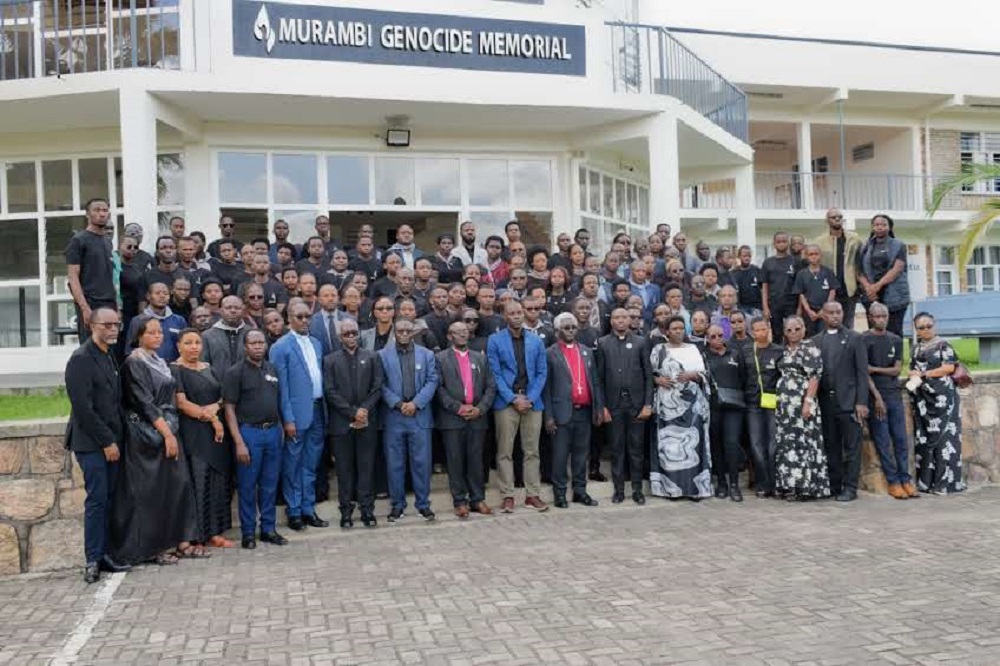

Located in Nyamagabe District, Cyanika Sector, Murambi Cell, the Murambi Genocide Memorial is one of Rwanda’s most significant memorial sites preserving the history of the Genocide against the Tutsi. The site is the final resting place for more than 50,000 victims killed during the 1994 genocide.
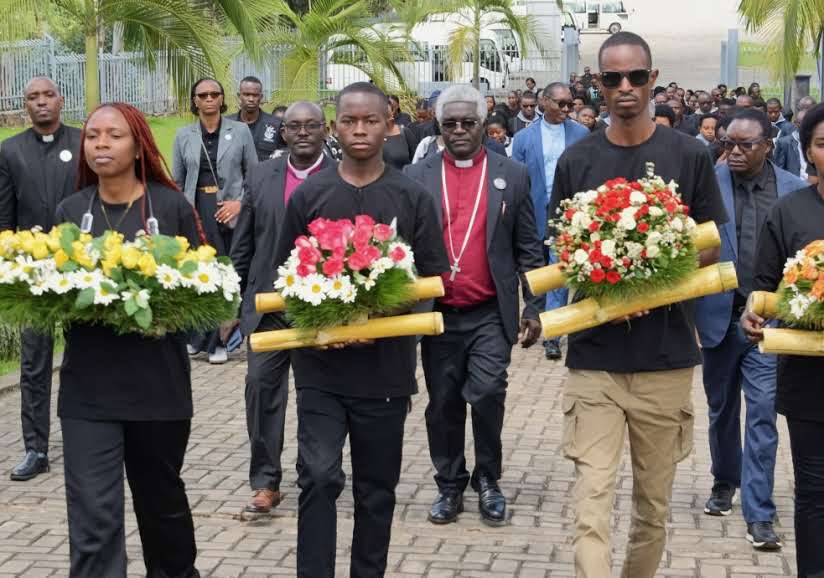
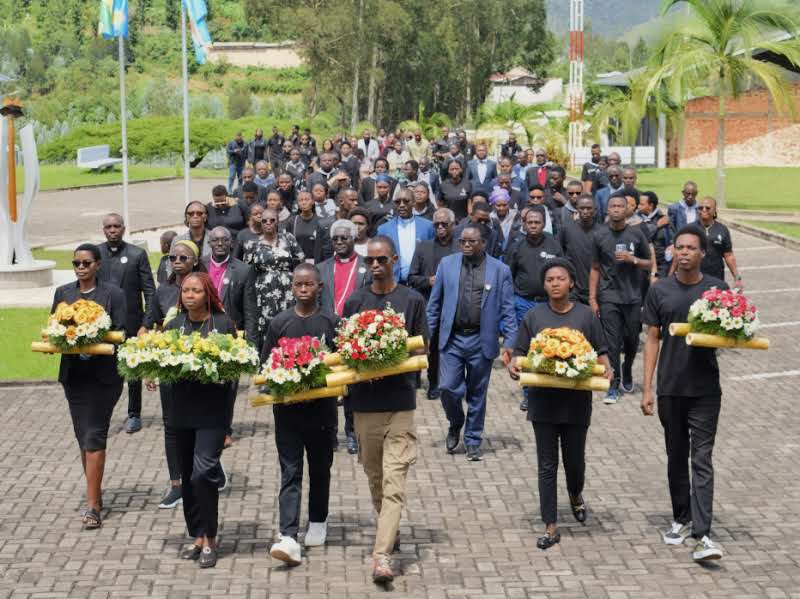
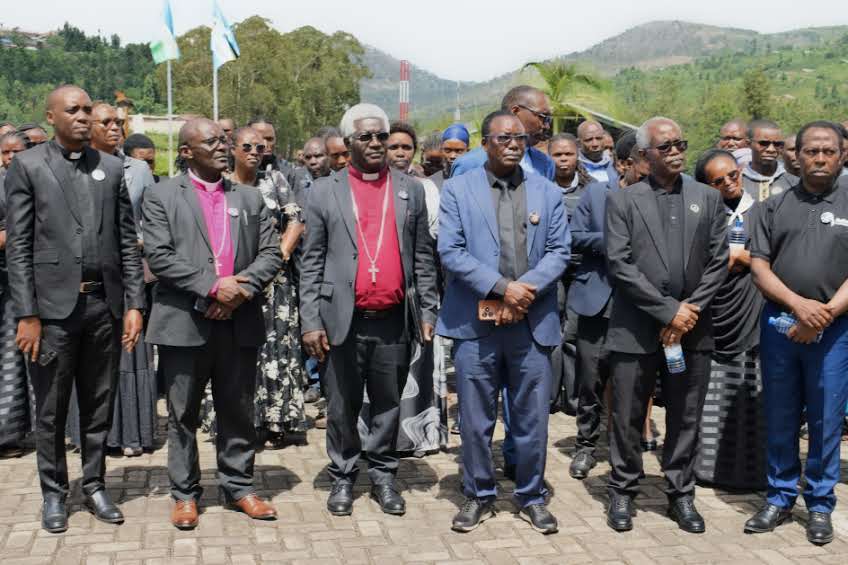
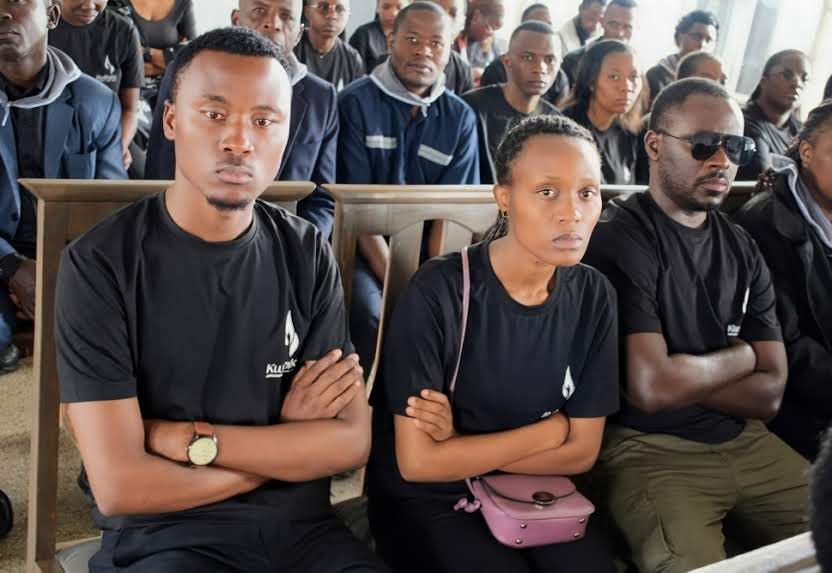
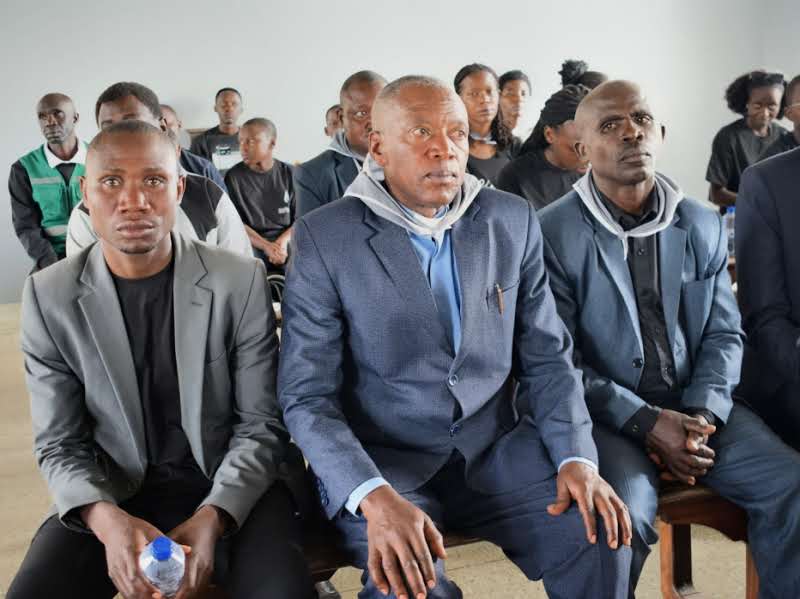
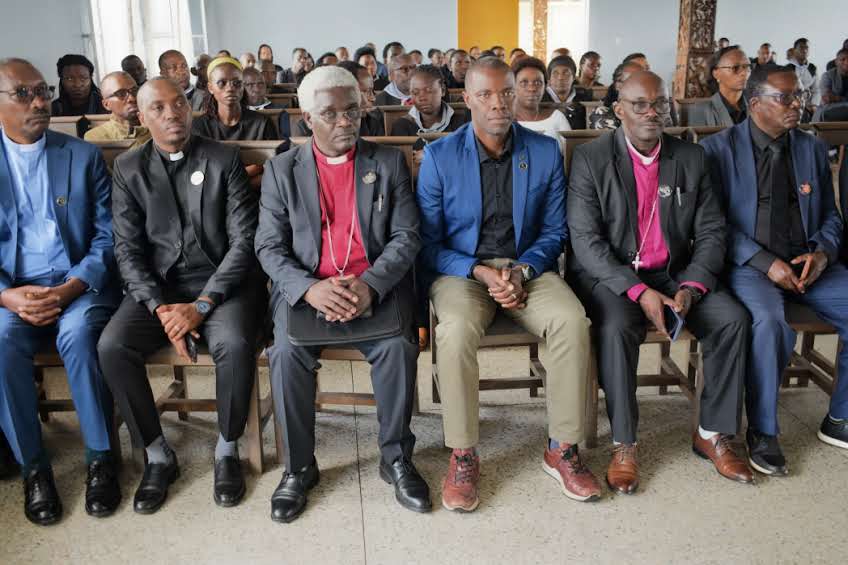
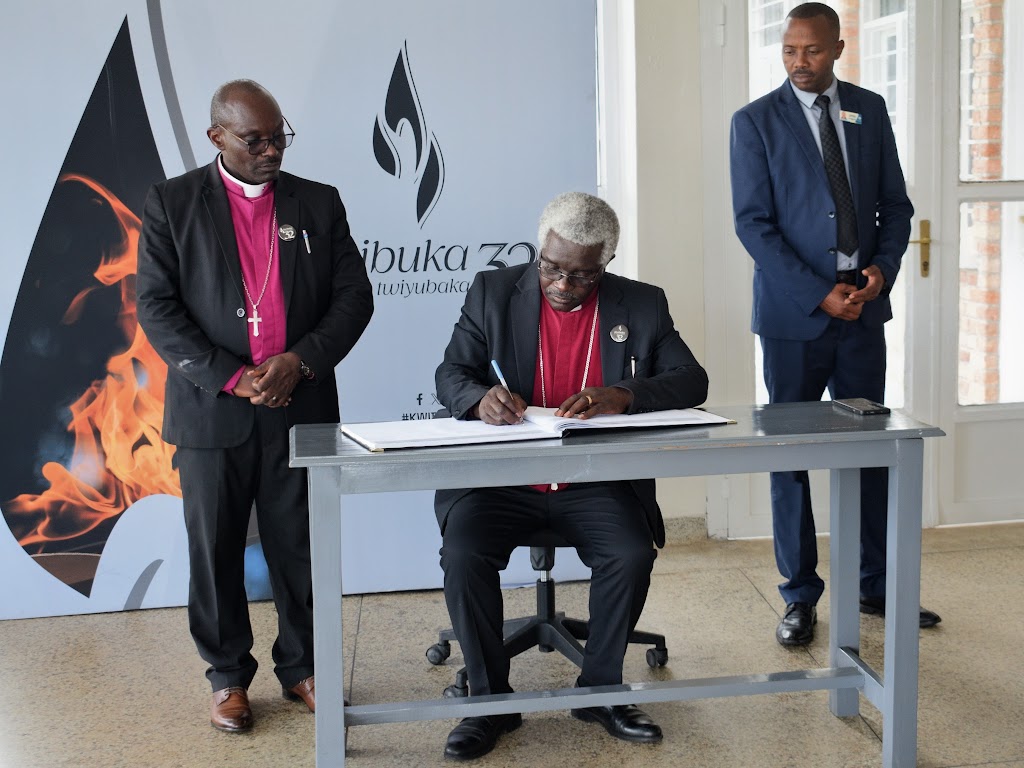
Members of AEBR, accompanied by church leaders and government officials, were guided through the history of the genocide, particularly the atrocities committed in the former Gikongoro Prefecture. They toured different sections of the memorial and paid tribute to the victims buried there.
During the visit, young members of the church emphasized their responsibility to confront genocide denial and distortion while actively fighting genocide ideology in all its forms.
Uwayezu Princess, a youth member from AEBR Kacyiru Parish, said young people must take the lead in building a Rwanda free from division and hatred.
She said: “As the new generation rising up, we are the Rwanda of tomorrow. We must fully understand our history and know how to stand against such tragedies as young people, as a church, and as citizens.”
She also stressed that the love taught in the Word of God should define all Christians. “As Christians, we should love one another and never look at people through the lens of ethnicity,” she added.
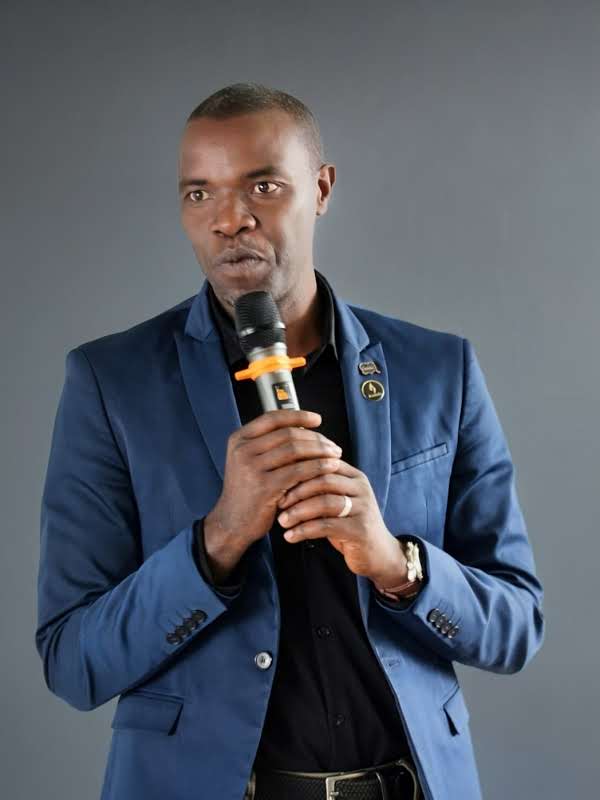
Another youth member, Neza Manzi Aimable, said the visit strengthened his determination to work alongside the country in fighting genocide denial and historical revisionism. “People should not distort history while I know the truth,” he said.
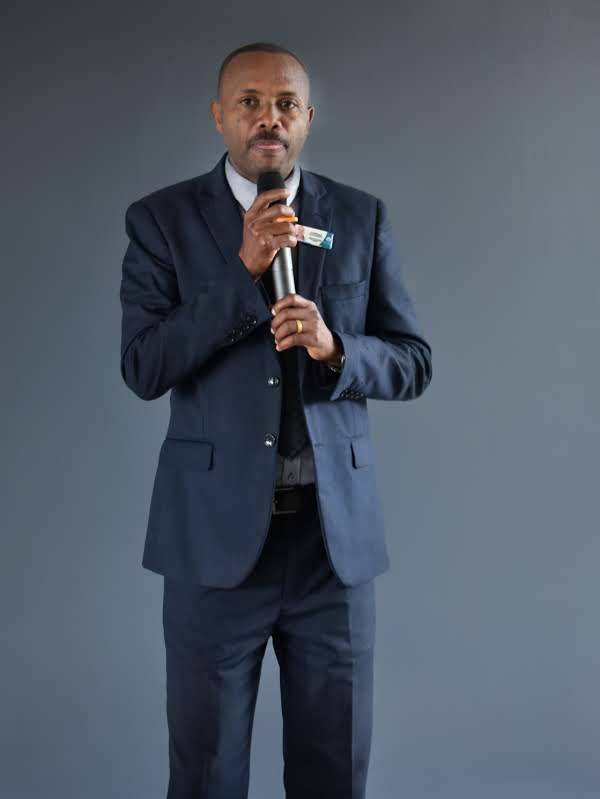
The spokesperson of AEBR, Bishop Ndayambaje Elisaphane, noted that visiting genocide memorials like Murambi helps especially young people understand Rwanda’s history and stand against those who still spread genocide ideology.
He said: “When we visit a memorial like this, the truth becomes visible. There is no reason for anyone to continue denying or distorting the genocide because the truth speaks for itself.”
He added that the visit serves as a reminder for youth and church leaders alike to unite in ensuring that genocide never happens again.
“Young people and Christians must continue embracing teachings that promote love, Christian integrity, and the values of a true Rwandan citizen,” he said.
Niyomwungeri Hildebrand, the Mayor of Nyamagabe District, praised churches such as AEBR for their contribution to national unity and reconciliation.
He encouraged religious institutions to continue promoting the Ndi Umunyarwanda program within their congregations. “What we ask is that this should not end here. Churches should continue organizing Ndi Umunyarwanda discussions among Christians,” he said.
The mayor also urged believers to take personal responsibility in rejecting divisionism and genocide ideology instead of blaming such behaviors on evil spirits.
“Sometimes when a Christian falls into divisionism or genocide ideology, people quickly blame Satan instead of recognizing it as a personal choice. Rejecting genocide ideology and division is an individual decision that must come from one’s own will,” he explained.
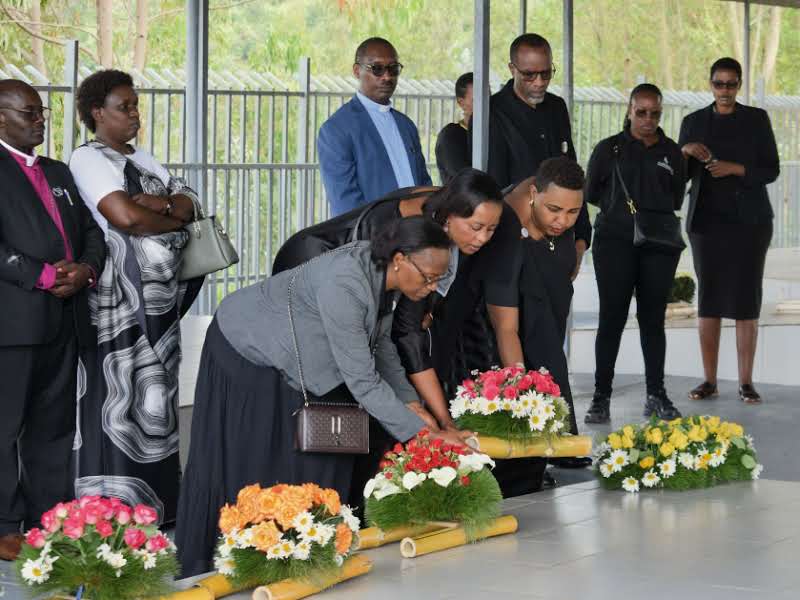
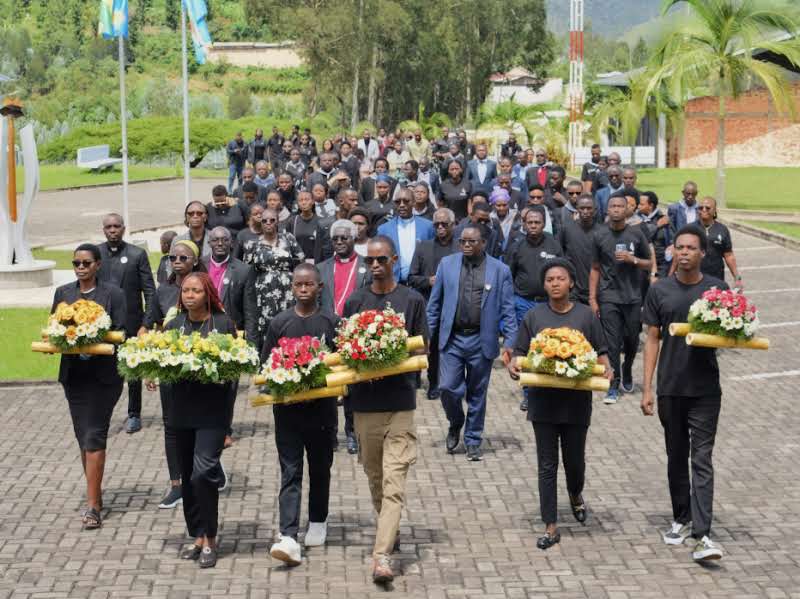
The visit included a wreath-laying ceremony at the mass graves where victims of the genocide are buried, as well as moments of reflection on Rwanda’s painful history.
The Murambi Genocide Memorial is also known for highlighting the role of the international community during the genocide, particularly how French troops stationed in the so-called Zone Turquoise witnessed massacres of Tutsi civilians.
On April 6, 2024, UNESCO officially added the Murambi Genocide Memorial to the World Heritage List as part of ongoing efforts to preserve the history of the Genocide against the Tutsi and educate future generations worldwide.