
This issue is frequently raised by music fans, particularly in Africa and Rwanda, where YouTube is widely seen as a key gateway to artistic growth and international exposure.
While some artists believe that high numbers of views and subscribers should be enough to earn recognition, the Grammy Awards operate under standards that are very different from those used by YouTube.
Grammy Awards Rely on Recognized Music Marketplaces
The Recording Academy, which organizes the Grammy Awards, requires that any song or album submitted for consideration must have been officially released on recognized digital music platforms (Digital Service Providers) such as Spotify, Apple Music, Amazon Music, Deezer, and others.
These platforms are considered official marketplaces because they provide:
Verifiable proof that the music was commercially released
Clear records of release dates
Reliable metadata detailing songwriters, producers, performers, and rights holders
YouTube, on the other hand, is primarily viewed as a video-sharing platform where anyone can upload content, regardless of whether the music has been commercially released or properly licensed.
Copyright and Ownership Challenges on YouTube
One of the main reasons the Grammys do not rely on YouTube is copyright complexity. On YouTube, the same song can be uploaded by multiple parties: the original artist, fans, or even individuals who do not own the rights. This makes it difficult to determine:
Who the legitimate rights holder is
Whether the song was officially released
Whether it complies with international music copyright laws
The Grammy Awards require clearly documented information about how a song was written, produced, and distributed—details that are far easier to verify on licensed music platforms than on YouTube.
Focus on Audio Quality Over Visual Performance
Although the Grammys have a specific category for Best Music Video, their primary focus is on the audio recordingitself—how the song was composed, recorded, produced, mixed, and mastered.
YouTube compresses audio files to suit its platform, which can reduce sound quality compared to tracks available on Spotify or Apple Music, where audio standards are higher and more consistent.
Insight from a Rwandan Member of the Recording Academy
Rwandan music professional Ugeziwe Ernesto, a member of the Recording Academy, explained to InyaRwanda why YouTube is not a determining factor for Grammy consideration.
“YouTube is not among the platforms the Grammy Awards rely on when selecting artists or songs for nomination. I believe this is partly because it’s easy to manipulate certain aspects on YouTube—such as buying views or subscribers—making a song appear popular when it actually isn’t. YouTube can be used to showcase your work, but it’s not a qualifying platform. Songs must be available on recognized digital music stores.”
YouTube as a Promotional Tool, Not a Primary Release Platform
At the Grammy level, YouTube is mainly regarded as a promotional platform. It is useful for sharing music videos, lyric videos, and other visual content that helps a song gain visibility—but it is not considered an official release channel.
This means that an artist who releases a song only on YouTube, without distributing it to recognized digital platforms, is not eligible for Grammy consideration.
The Clear Path for Artists Aiming for the Grammys
For artists aspiring to compete at the Grammy level, the process is clear:
Release music through approved distributors
Ensure proper copyright registration and metadata
Follow the Recording Academy’s submission guidelines within the required timelines
While YouTube remains a powerful tool for music promotion, it does not meet all the criteria required by the Grammy Awards.
The Grammys do not judge music based on views or subscriber counts, but on quality, legality, and verified commercial release standards.
Although YouTube helps artists reach large audiences and gain international visibility, the Grammy Awards do not rely on view counts or subscriber numbers. Instead, they focus on how a song was officially released to recognized music marketplaces, its copyright status, and the quality of its audio. This is why songs released exclusively on YouTube are not considered for Grammy competitions.
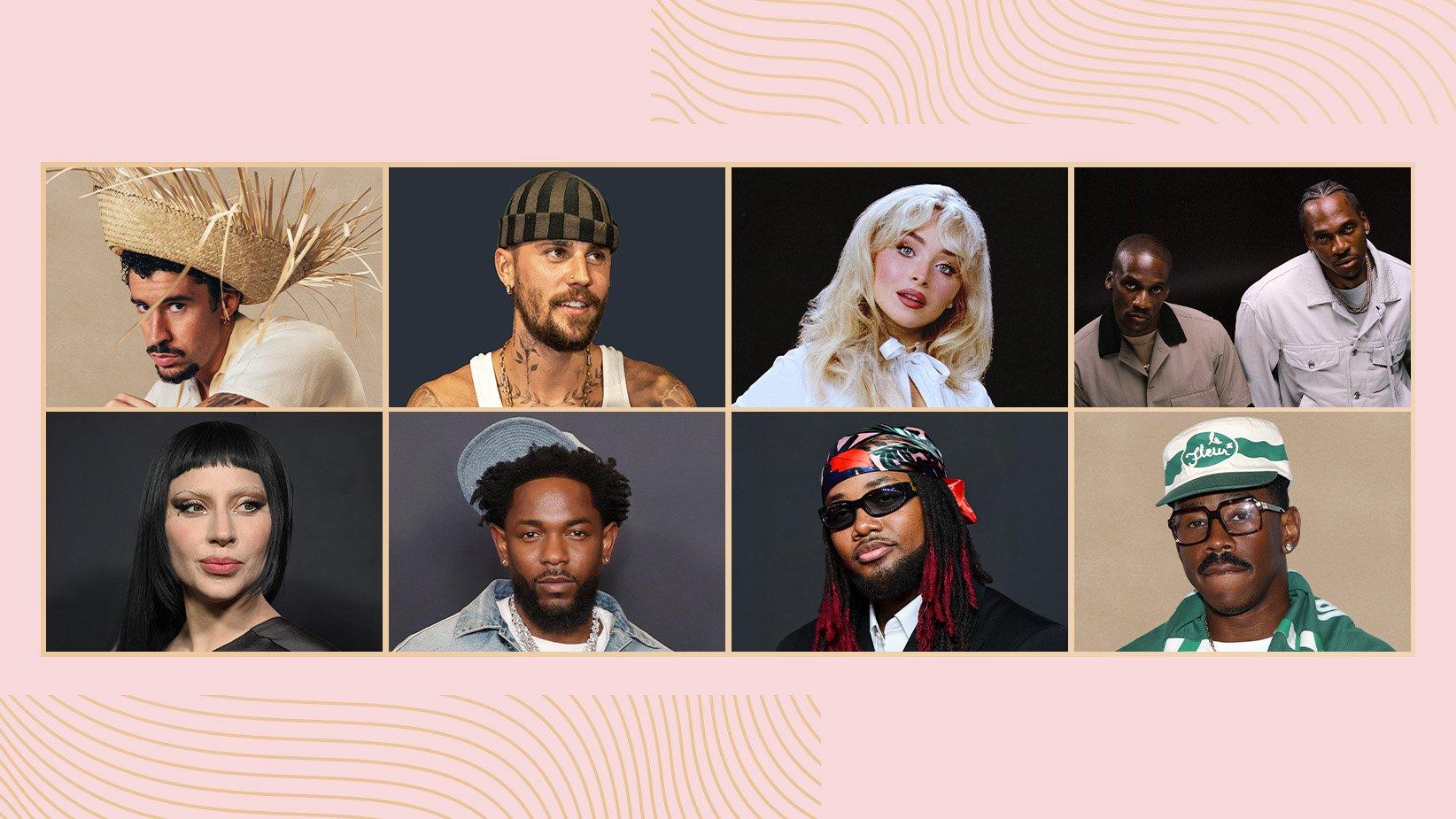 For artists seeking to take a major step onto the global music stage, YouTube serves as a promotional platform—not the primary marketplace for Grammy Awards consideration. Songs must be officially released on recognized platforms such as Spotify and Apple Music, with proper legal documentation, to qualify for the world’s most prestigious music awards. The next Grammy Awards ceremony will take place on February 1, 2026.
 Ugeziwe Ernesto, a member of the Recording Academy, explains that the ease of manipulating certain metrics on YouTube is one of the reasons the platform is not used as a basis for Grammy Awards consideration
WATCH THE INTERVIEW WITH UGEZIWE ERNESTO