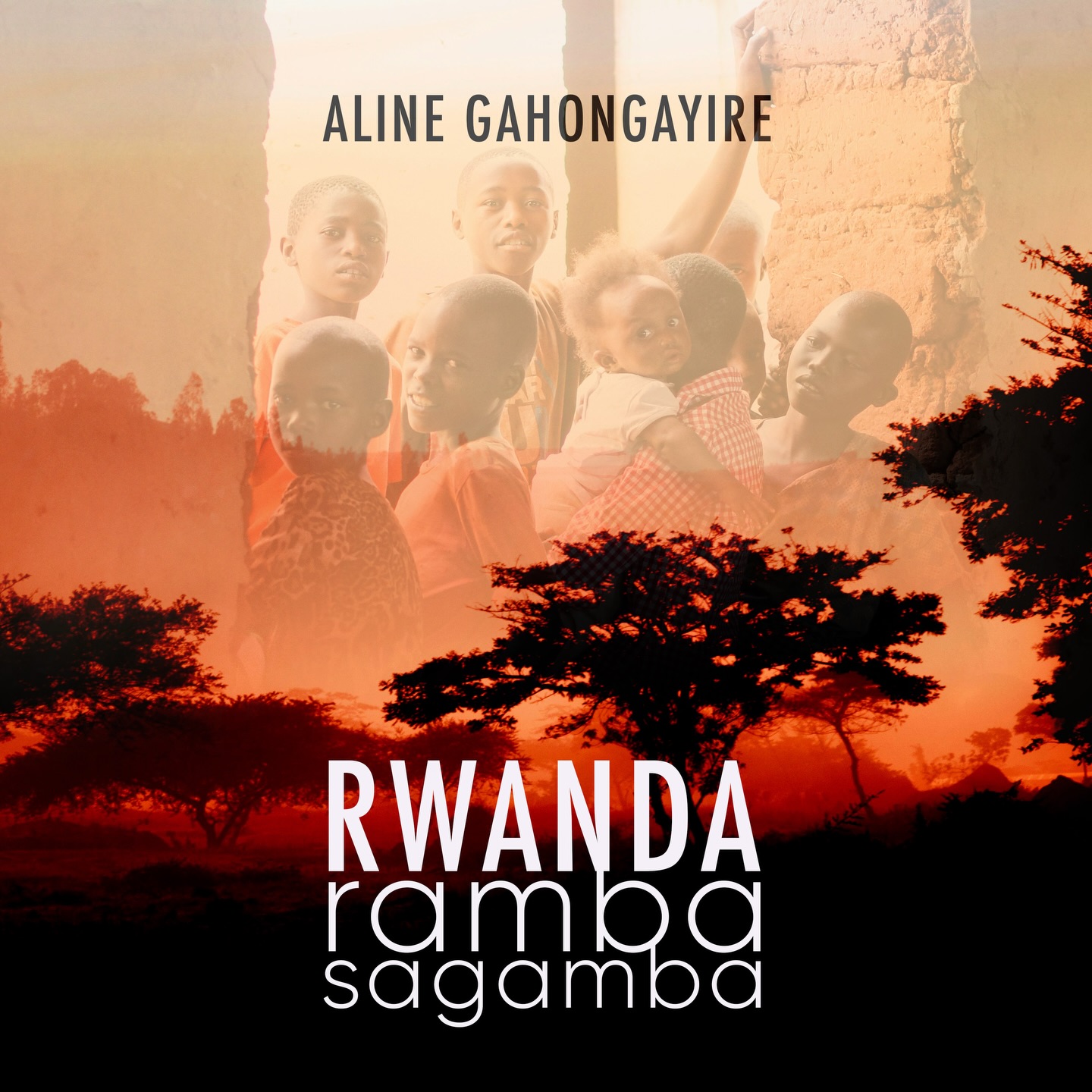

The gospel artist released the song during the 32nd commemoration period, a time when Rwandans and friends of Rwanda come together to remember. Through her music, she seeks to preserve history while spreading a message of hope and healing.
In an interview with InyaRwanda, Aline Gahongayire explained that the song was inspired by Rwanda’s resilience, emphasizing that perseverance has been one of the key pillars behind the country’s transformation.
She said, “The song ‘Rwanda Ramba Sagamba’ expresses that Rwanda is a symbol of resilience. It is perseverance that has brought us this far as Rwandans. Without it, one can easily lose direction.”
She further noted that the ability of Rwandans to continue living their daily lives—working, raising families, and even finding moments of joy—is rooted in the strength the country has shown over the years.
“The reason we are here today, doing all these things, is because the country stood firm. Rwanda endured. Without that resilience, we would not be the legacy we are today,” she added.
Aline Gahongayire described the song as more than just music, calling it a covenant of patriotism and a reminder to safeguard what Rwandans have achieved. “Rwanda is not just a country; it is history and a legacy. We know our purpose, and we know where we are going—we will not lose our way,” she affirmed.
After releasing the song, she also shared photos of some of her family members who were killed during the genocide, particularly her uncles, showing that remembrance for her is deeply personal and goes beyond words.
In a heartfelt message on social media, she reflected on the deeper meaning of remembrance, explaining that while it brings pain, it also provides strength for renewal. “Remembering is not just words. It is a responsibility. It may take us back, but it also pushes us forward,” she said.
She emphasized that the pain associated with remembrance is not meant to destroy but to rebuild, helping individuals rise again and work toward a better future.
Gahongayire also stressed that remembrance is a commitment to never forget the tragic past, warning that those who seek to destroy individuals ultimately threaten the nation itself.
“Always remember that a country is like a parent. Whoever targets a child targets the parent. Stay alert, build, and protect what we have,” she urged.
Reflecting on Rwanda’s 32-year journey, she described it as one marked by resilience, unity, reconciliation, and renewal. From a past filled with devastation and tears, the country has risen to a place of development and hope.
“In a journey that was not easy, Rwanda proved that it is possible. It is a land of a thousand hills and a nation of solutions,” she said.
She also called on the youth to protect the progress achieved, understand its value, and love their country, emphasizing that the hope of Rwandans lies in ensuring that such a tragic history never repeats itself.
Speaking about heroism, she highlighted that being an Inkotanyi is not just a name but a way of life defined by courage, sacrifice, and unwavering love for the country.
“Inkotanyi is not just a title—it is bravery. It is responding without hesitation. Rwanda is a lesson in resilience and a place blessed by God,” she added.
In conclusion, Aline Gahongayire encouraged all Rwandans to continue building their nation with commitment and purpose, reminding them that remembrance is about strength, while rebuilding is a responsibility for everyone.
Her song “Rwanda Ramba Sagamba” stands as a powerful example of how artists contribute to preserving history and delivering messages that strengthen society, especially during the period of remembering the Genocide against the Tutsi, where resilience, unity, and hope for the future are at the forefront.